Physical Address
304 North Cardinal St.
Dorchester Center, MA 02124
Physical Address
304 North Cardinal St.
Dorchester Center, MA 02124
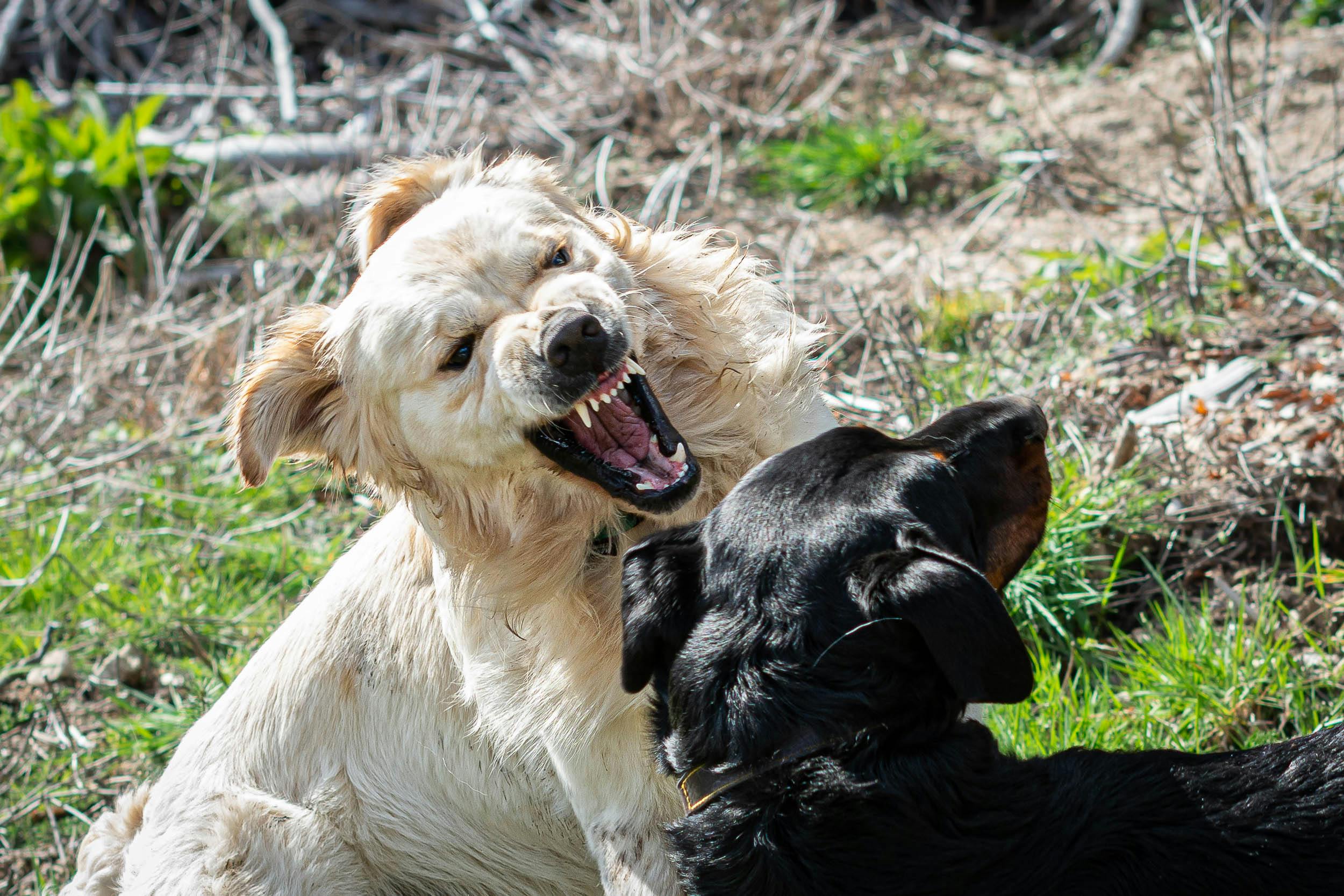
Have you ever looked at a friendly dog that suddenly attacked someone and wondered, “What changed?” The answer is often far more unsettling than poor training or a bad temperament.
In many cases, a hidden illness is quietly altering the dog’s behavior long before anyone notices the warning signs. What appears to be an unprovoked act of aggression may actually be a desperate response to pain, confusion, or disease.
Recognizing these medical conditions early could prevent a devastating bite and even save your dog’s life. Here are 7 hidden health conditions that could turn your dog into a killer.

Dogs hide pain better than most animals, masking conditions like arthritis, hip dysplasia, or old injuries. When touched, lifted, or asked to move, painful areas can trigger immediate defensive reactions. Even a slight brush on a sore leg or back can provoke growling or snapping.
Subtle clues, limping, hesitating on stairs, slower play, excessive licking, or restlessness, often precede aggression. A dog that suddenly resists handling may be communicating fear and discomfort rather than bad behavior. Veterinary pain assessments are crucial before assuming the dog is acting out.
A cracked tooth, gum infection, or severe tartar buildup may go unnoticed for months. Dogs often continue eating, wagging their tail, and appearing normal. Pain from the mouth can make them extremely defensive, particularly when collars, toys, or feeding bowls are involved.
Drooling, pawing at the mouth, refusing hard treats, or selective chewing are subtle signals that aggression may be medically driven. Guarding behavior is often a reaction to pain, not dominance. Dental exams are essential to prevent accidental bites.
Ear infections are common yet dangerous triggers for aggression. Inflamed or infected ears make normal handling painful, causing dogs to snap when ears or heads are touched. Allergies, parasites, and hot spots on the skin also heighten discomfort and increase irritability.
Sudden growling during grooming or bathing is rarely arbitrary. When a dog resists touch or becomes defensive around its own body, pain or sensory irritation is often the root cause. Veterinary intervention and proper treatment reduce risk and improve comfort.
Thyroid disorders,adrenal dysfunction, and other hormonal problems affect more than metabolism; they influence stress response, anxiety, and aggression thresholds. Hypothyroidism, for instance, may make a dog lethargic yet prone to irritability when provoked.
Sudden mood changes, guarding behavior, or unusual aggression often coincide with changes in appetite, weight, or coat. Blood tests can reveal hormone imbalances that standard training alone cannot fix, emphasizing that the dog’s reaction is medical, not behavioral.

Seizures, brain tumors, inflammation, or head trauma can change a dog’s perception and tolerance for stress. Even subtle neurological episodes, staring spells, disorientation, unusual barking, or snapping at the air may precede a full-blown aggressive act.
These behaviors are often unpredictable. Dogs may bite during a seizure or afterward when confused. Ignoring these warning signs risks serious injury, highlighting the need for immediate veterinary evaluation.
Senior dogs with canine cognitive dysfunction may forget familiar routines, misinterpret people, or become anxious in previously safe environments. Nighttime pacing, confusion, irritability, and sudden growls are common indicators that aging brains are affecting behavior.
This type of aggression is often misread as disobedience. Creating a consistent, predictable environment and consulting a veterinarian can reduce risk and improve the quality of life for both the dog and owner.
Rabies is rare in vaccinated dogs but extremely dangerous. Infected dogs exhibit confusion, agitation, hypersalivation, and sudden aggression. Even other infections affecting the brain or the body’s systems can dramatically lower a dog’s threshold for dangerous reactions.
Immediate veterinary attention is critical. Any sudden, unprovoked aggression combined with illness signs like vomiting, disorientation, or drooling requires urgent intervention. Public safety and your dog’s survival may depend on rapid action.
Early warning signs rarely appear as sudden bites. Watch for stiff posture, whale eye, growling, resource guarding, pawing, sudden withdrawal, or unusual fear. Combined with pain signals, limping, head shaking, drooling, or sleep disruption, these behaviors indicate a medical cause of aggression.
Protect family and pets by safely separating the dog, documenting its behavior, and scheduling an immediate veterinary examination. Punishing medically-driven aggression can escalate fear and make behavior more dangerous.