Physical Address
304 North Cardinal St.
Dorchester Center, MA 02124
Physical Address
304 North Cardinal St.
Dorchester Center, MA 02124
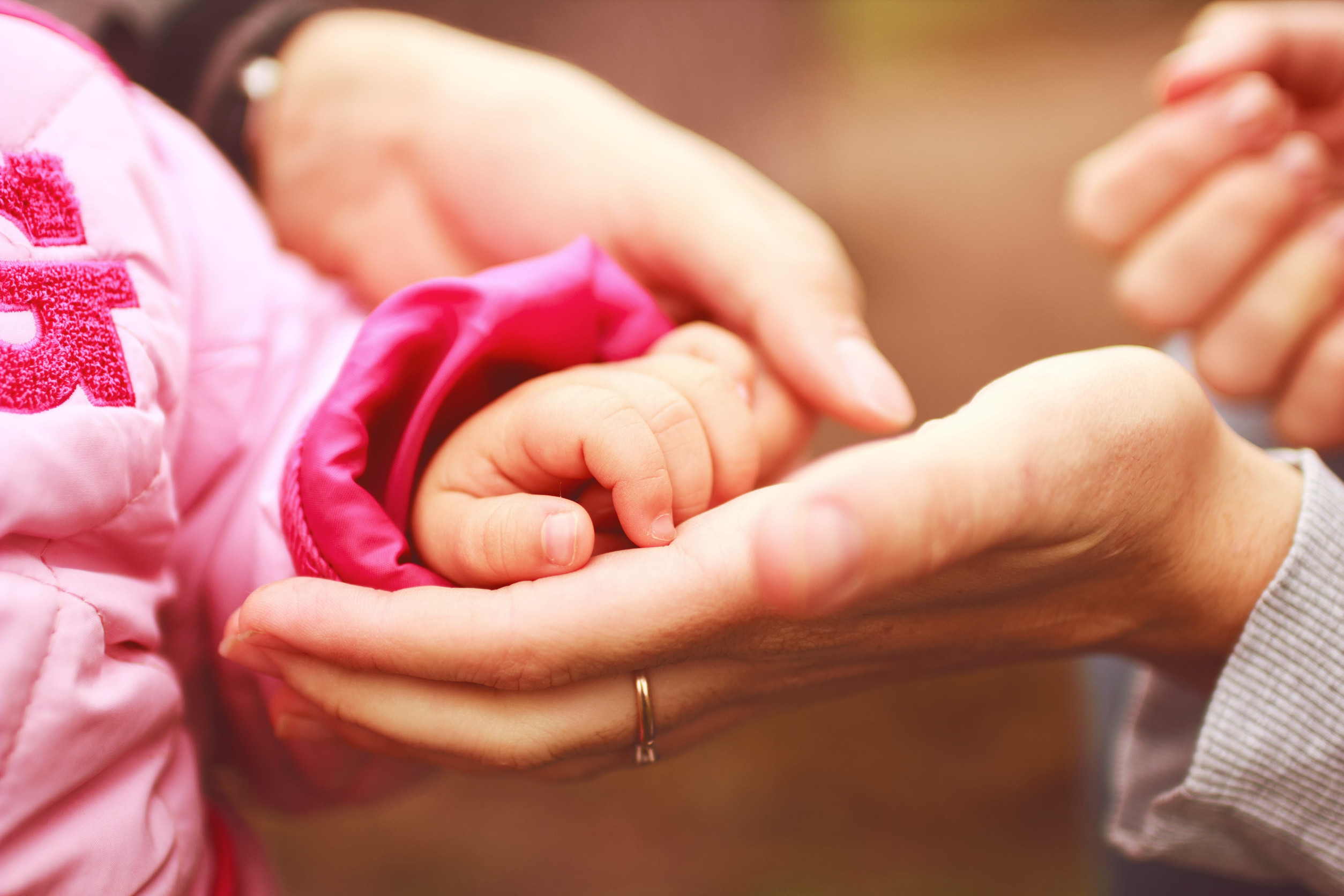
Some life stories begin with a straight road. Others begin with a turn nobody saw coming. Adoption has shaped the early chapters of many famous people, from Olympic champions to tech visionaries, movie stars, singers, and comedians.
Their stories are not simple “before and after” fairy tales. They are proof that family, identity, talent, pain, love, and ambition can meet in unexpected ways and still produce something unforgettable.
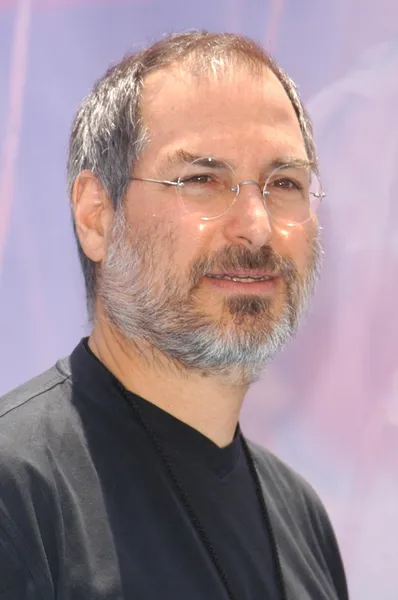
Steve Jobs, the co-founder of Apple, was adopted as an infant by Paul and Clara Jobs after his biological parents placed him for adoption. He grew up in California, where his curiosity about electronics, design, and machinery helped shape the instincts that later changed personal computing, music, phones, and digital culture.
What makes Jobs’ story so compelling is that his adoption did not sit in the background of his life. It became part of the mythology around his hunger for control, beauty, and reinvention. The boy who was placed in one family went on to build products that millions of families carried in their pockets.
Simone Biles spent part of her childhood in foster care before she and her sister Adria were adopted by her maternal grandfather, Ron Biles, and his wife, Nellie. Family stability became a major part of the story behind one of the most dominant gymnastics careers the world has seen.
Biles’ rise feels almost cinematic because it combines vulnerability with steel. She did not grow into greatness because life was easy. She grew into it with support, discipline, and a family structure that gave her room to become extraordinary.
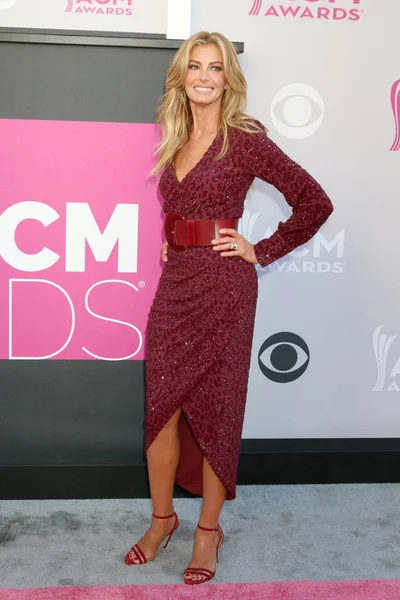
Country music star Faith Hill was adopted just a few days after her birth and raised as Audrey Faith Perry in Star, Mississippi. Her parents were open with her about the adoption, which helped her grow up knowing the truth about her beginnings rather than discovering it through secrecy or rumor.
Hill’s voice became one of the defining sounds of modern country-pop, but her personal story adds another layer to her fame. Behind the polished stage presence is a woman who has spoken openly about identity, belonging, and the emotional pull of wanting to understand where you come from.
Jamie Foxx was adopted as a baby by Estelle and Mark Talley, the grandparents who raised him in Terrell, Texas. Long before the Oscars, the comedy stages, and the hit songs, Foxx grew up in a household that pushed discipline, church, music, and education.
That early foundation shows up everywhere in his career. Foxx can move from stand-up to drama, from piano to impersonation, from charm to raw emotion, because he was shaped by a home that demanded range before Hollywood ever did.
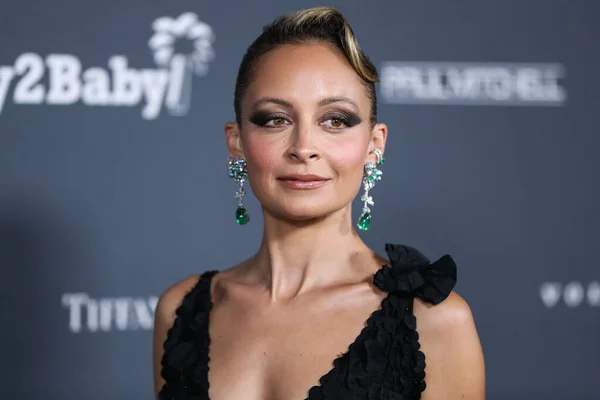
Nicole Richie was taken in by Lionel Richie and Brenda Harvey Richie when she was young, and the couple legally adopted her when she was 9. Her story later became part of pop culture history as she moved from celebrity daughter to reality TV star, fashion figure, and businesswoman.
Nicole’s adoption story is famous because it sits at the intersection of music, Hollywood, and the choice to adopt. Lionel Richie has spoken warmly about the bond, making her story less about celebrity glamour and more about how love can become official long after attachment already feels real.
Frances McDormand was adopted by Canadian parents Noreen and Vernon McDormand, and her childhood included frequent moves because her father worked as a Disciples of Christ minister. That restless early life helped shape an actor known for grounded, unsentimental, deeply human performances.
McDormand never built her career on Hollywood gloss. She became famous by playing people who feel lived-in, difficult, funny, wounded, and real. Her adoption story fits that larger pattern, because her life and work both resist easy packaging.
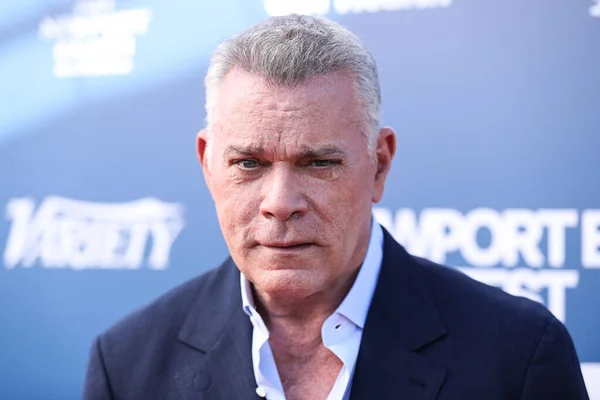
Ray Liotta, best known for his unforgettable role in Goodfellas, was adopted at six months old after being placed in an orphanage. He later became one of Hollywood’s most intense screen presences, especially in crime dramas where his calm face could turn dangerous in a second.
Liotta’s career had a raw electricity that made him hard to ignore. His adoption was part of his personal history, but his legacy came from the way he turned uncertainty, edge, and emotional pressure into performances that still feel alive.
Debbie Harry, the lead singer of Blondie, was adopted by Richard and Catherine Harry when she was three months old. Born Angela Trimble, she was renamed Deborah Harry and eventually became one of the coolest, sharpest, and most visually iconic figures in punk and new wave music.
Her story has the perfect rock-and-roll twist. A child given a new name became an artist who built a new identity onstage, blending glamour, danger, irony, and rebellion into something nobody could copy.
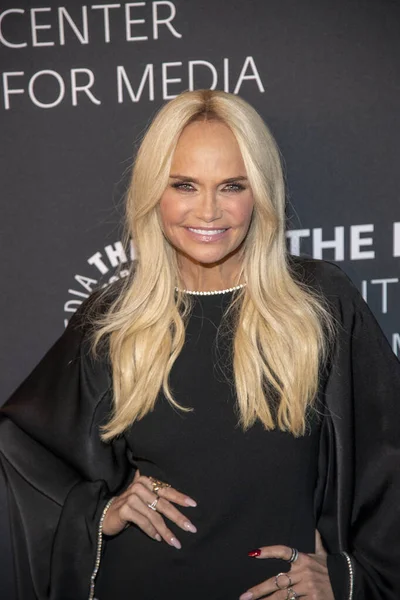
Kristin Chenoweth was adopted as a baby by Junie and Jerry Chenoweth, and she has often spoken about adoption with warmth and gratitude. Long before Broadway audiences knew her as a powerhouse voice in Wicked, she grew up in Oklahoma with a family that encouraged her talent.
Chenoweth’s story is especially moving because she frames adoption as love rather than solely as loss. Her career sparkles with humor, precision, and huge vocals, but her personal story gives that sparkle a deeper emotional center.
Melissa Gilbert, beloved for playing Laura Ingalls Wilder on Little House on the Prairie, was adopted by actors Barbara and Paul Gilbert. She entered show business early and became one of the most recognizable child stars of American television.
Her adoption story carries a fascinating Hollywood echo because her adoptive family was already connected to the entertainment industry. Gilbert grew up inside a world of performance, then became part of a TV family that millions of viewers treated like their own.
These stories show that adoption is not one single kind of experience. For some, it brought stability after chaos. For others, it raised lifelong questions about identity, roots, and belonging. What connects these ten famous people is not just that they were adopted. It is that each one took an unusual beginning and built a public life powerful enough to be remembered.