Physical Address
304 North Cardinal St.
Dorchester Center, MA 02124
Physical Address
304 North Cardinal St.
Dorchester Center, MA 02124

Menopause may end monthly periods, but it does not place an expiration date on attraction, intimacy, pleasure, or sexual desire.
The popular assumption that women simply lose interest in sex after menopause is not supported by the full medical picture. Some women experience a noticeable decline in desire, others become more interested, and many report little or no change at all, according to The Menopause Society.
In other words, there is no single postmenopausal sex drive. Every woman’s experience is shaped by her physical health, emotional well-being, relationships, medications, symptoms and personal attitude toward intimacy.
Menopause occurs when a woman has gone 12 consecutive months without a menstrual period. It marks the end of her natural reproductive years, but it does not mean that her ability to feel desire, become aroused, or enjoy sexual intimacy suddenly disappears.
A major study published in the journal Menopause in December 2025 examined 4,900 women aged 50 and older who visited women’s health clinics. Researchers found that 71 percent reported being sexually active during the previous four weeks, and the oldest participant in the sexually active group was 95.
The study should not be treated as a perfect picture of every older woman because its participants largely had access to specialized health care. Still, it challenges the idea that sexual interest inevitably disappears with age.
Among sexually active participants, women aged 65 and older were actually less likely to report losing sexual desire than women between 50 and 64. Rates of concerns involving arousal, orgasm, and overall satisfaction were also broadly similar between the two age groups. That does not mean menopause has no effect. It means menopause is a transition, not a universal shutdown.
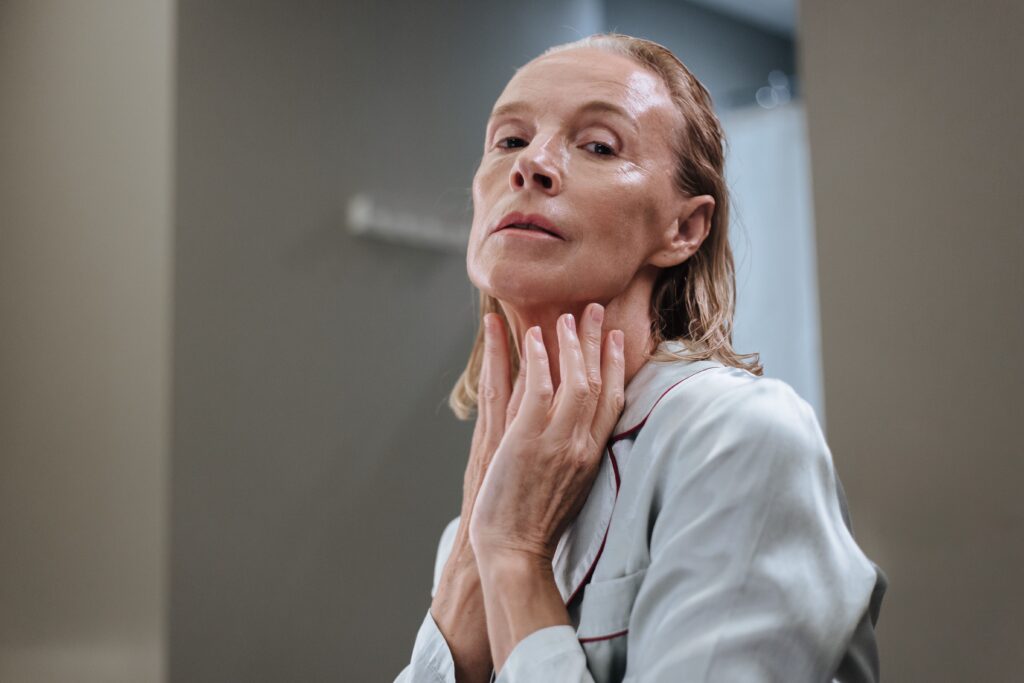
Hormonal changes can affect both comfort and desire. Falling estrogen levels may cause the vaginal tissue to become thinner, drier, and less flexible, producing burning, irritation, or pain during intercourse.
When sex begins to hurt, the brain may start associating intimacy with discomfort rather than pleasure. Desire can then decline when a woman protects herself from an experience she expects to be painful.
Hot flashes and night sweats can also interrupt sleep. Persistent exhaustion, low mood, or irritability may leave little energy for sexual interest, even when affection and attraction remain present.
But hormones are only one part of the story. Stress, depression, anxiety, body-image concerns, chronic illness, relationship conflict, and certain medications can all affect sexual functioning. A partner’s health or sexual difficulties may also influence how often intimacy happens and how satisfying it feels.
Desire itself is not always spontaneous. A woman may not begin an intimate moment already feeling strongly interested, but desire may appear after affectionate touch, emotional connection, or physical arousal begins. The American College of Obstetricians and Gynecologists notes that sexual desire can develop in response to sexual signals rather than always arriving first.
For some women, life after menopause may even create new opportunities for intimacy. Concerns about unintended pregnancy disappear after natural menopause, children may have left home, and women may feel more confident communicating what they enjoy. The Menopause Society confirms that some women experience increased sexual interest during midlife rather than a decline.
There is no medically required amount of sex that a woman must want or have. A woman who feels little interest in sex but is comfortable with that change does not need to view herself as broken. The issue deserves attention when reduced desire, pain, dryness, or difficulty becoming aroused causes personal distress or interferes with a relationship.
The first step is often identifying the real problem. A doctor may review symptoms, medications, mental health, physical conditions, and relationship factors instead of assuming that hormones are entirely responsible.
Water-based lubricants can reduce friction during sexual activity, while vaginal moisturizers are designed to provide more regular relief from dryness. Persistent symptoms may be treated with local vaginal hormone therapy or other prescription options after a clinician evaluates the woman’s medical history.
For appropriately selected postmenopausal women experiencing distressing low desire, clinician-supervised testosterone therapy may offer a modest benefit. However, treatment requires an individualized assessment, and researchers continue to study its long-term safety and use beyond sexual desire disorders.
Counseling or sex therapy may also help when anxiety, communication problems, past experiences, or relationship tensions are involved. Medical treatment and emotional support do not have to be competing approaches because sexual health involves both the body and the mind.
Women should seek medical advice when intercourse is repeatedly painful, dryness is severe, symptoms begin suddenly, or a major change in sexual desire causes distress. Pain during sex should not simply be accepted as an unavoidable price of aging.
Yes, women can continue to experience sexual desire after menopause. Some may want sex less often. Some may want it more. Others may discover that intimacy becomes less focused on intercourse and more centered on affection, touch, companionship, or emotional closeness.
The important point is that none of these experiences makes a woman abnormal. Sexuality changes throughout life, but change is not the same as disappearance.
Menopause ends fertility, not femininity, attraction, or the human need for closeness. With honest communication, appropriate medical care, and freedom from outdated assumptions, many women can continue enjoying satisfying intimate lives for decades after their final period.
Pregnancy may no longer be a concern after natural menopause, but sexually transmitted infections remain possible. Women with new or multiple partners should continue discussing testing and protection with their health care professionals.