Physical Address
304 North Cardinal St.
Dorchester Center, MA 02124
Physical Address
304 North Cardinal St.
Dorchester Center, MA 02124
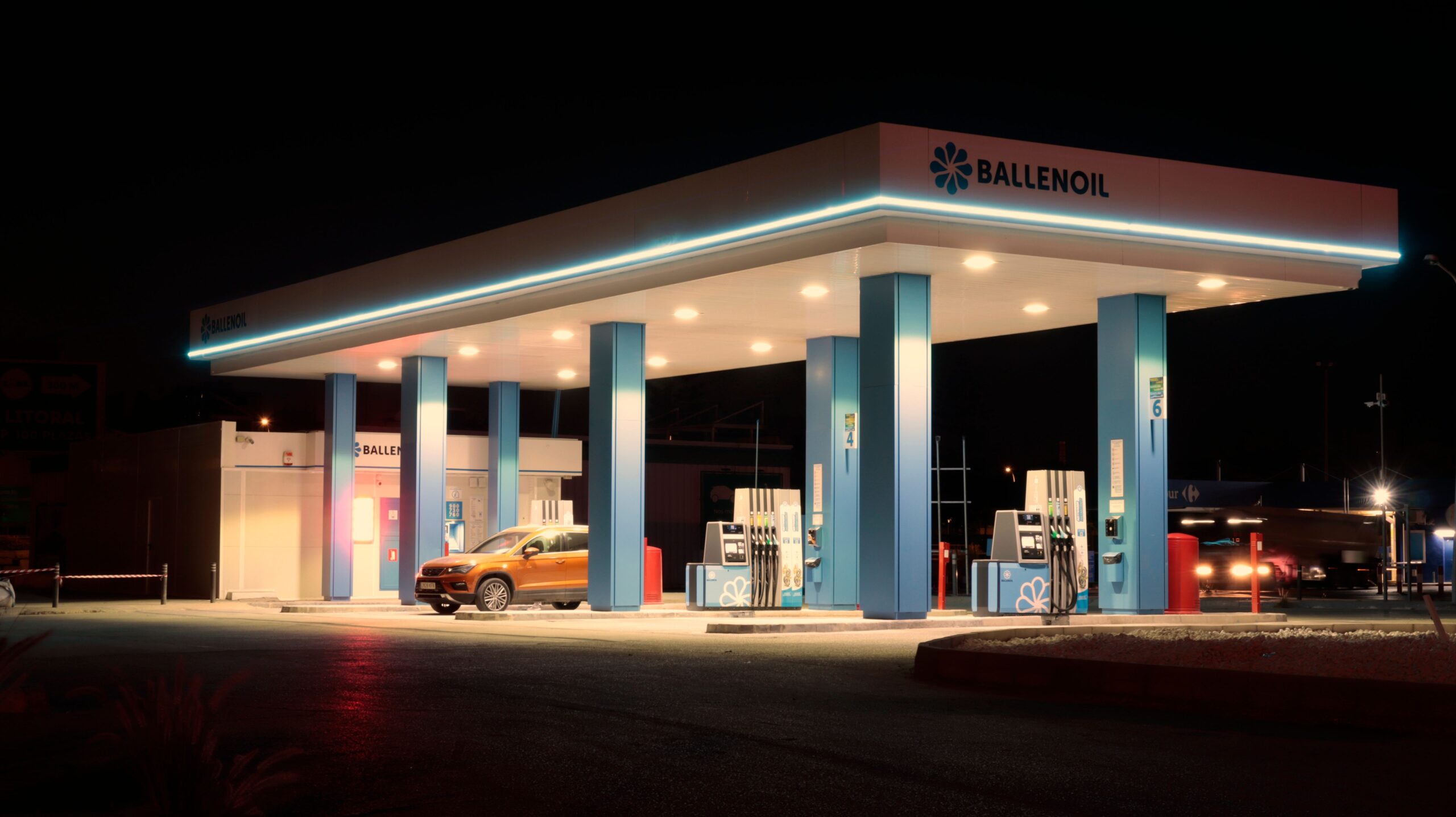
Gas prices are finally easing across America, and drivers can feel the difference at the pump. After weeks of painful fill-ups, the national average has slipped lower, giving households a rare moment of relief during the busy summer travel season.
However, this is not the kind of price drop that should make anyone relax too quickly. The numbers are moving in the right direction, but the pressure behind them has not disappeared.

For many Americans, the latest drop feels overdue. Families planning road trips, commuters driving long distances, and small business owners running delivery vans have all been squeezed by fuel costs this year.
The fall in prices comes after crude oil cooled from earlier highs. That shift helped gas stations lower prices in many states, especially in parts of the South and Midwest where competition can move prices faster.
Still, the relief comes with a warning label. Gas remains much higher than it was a year ago, and many drivers are still paying more than four dollars per gallon.
The good news is simple. Gas prices have moved lower for several straight weeks, and that matters for real people. A lower pump price can change a family budget immediately. It can make a grocery trip less stressful, a weekend visit more realistic, and a commute feel less punishing.
But the larger picture is still tense. Oil markets remain vulnerable, refinery activity is running hard, and global conflict continues to hang over energy prices.
Summer is never a quiet season for gasoline. More families travel, more workers drive, and more people hit the road for vacations, weddings, graduations, and holiday weekends.
That extra demand can quickly stop price drops. Even when oil prices cool, stronger driving demand can hold pump prices higher than many people expect. There is also the seasonal fuel issue. Summer gasoline blends often cost more to produce, which can quietly put pressure on drivers before they even notice.
The national average tells only part of the story. Drivers in states like California, Hawaii, Washington, Oregon, and Alaska often face much higher prices than the rest of the country.
Meanwhile, states such as Texas, Indiana, Oklahoma, Tennessee, and Mississippi usually see cheaper fuel. That gap can shape how Americans experience the same national trend.
For a driver in Texas, falling prices may feel like real relief. For a driver in California, the same national headline may still feel far removed from daily life.
One reason prices have eased is that refiners have increased activity. When refineries process more crude into gasoline, the market can get more supply.
However, high refinery use can also reveal stress in the system. If a major refinery has an outage during a hot travel season, local prices can jump quickly. That is why a falling national average should not be mistaken for a stable fuel market. The system is improving, but it is not bulletproof.
Gas prices in America do not move in isolation. A conflict overseas, a shipping disruption, or a sudden oil supply shock can quickly affect what drivers pay at home.
That is especially true when global crude markets are already nervous. If oil traders expect supply problems, crude prices can rise before drivers see the impact at local stations. This is the uncomfortable part for consumers. Pump prices may fall slowly, but they can rise quickly when global risk returns.
Even with prices falling, many households are not back to normal. A few cheaper fill-ups help, but they do not erase months of higher costs.
Fuel prices touch nearly everything. They affect school runs, work commutes, grocery deliveries, contractor fees, airline costs, and small business margins. That makes this price drop helpful but incomplete. Drivers may save a little this week, yet still feel the wider cost-of-living squeeze.
The next few weeks will matter. If crude oil prices stay lower and gasoline demand remains moderate, pump prices could keep easing. But if demand rises sharply, refinery problems appear, or global tensions worsen, the drop could stall. In some places, prices could even reverse before summer ends.
That is why drivers should treat this moment as a break, not a victory. The better move is to budget carefully, compare stations, and avoid assuming cheap gas is returning for good.
Gas prices are falling, and that is welcome news for millions of Americans. After months of pressure, even a modest decline can feel like breathing room. Yet the road ahead remains uncertain. Oil supplies are tight, summer travel is in full swing, and global events still have the power to push prices higher.
So yes, drivers can appreciate the cheaper signs at the pump. But celebrating too soon may be risky, because America’s gas price story is not finished yet.