Physical Address
304 North Cardinal St.
Dorchester Center, MA 02124
Physical Address
304 North Cardinal St.
Dorchester Center, MA 02124
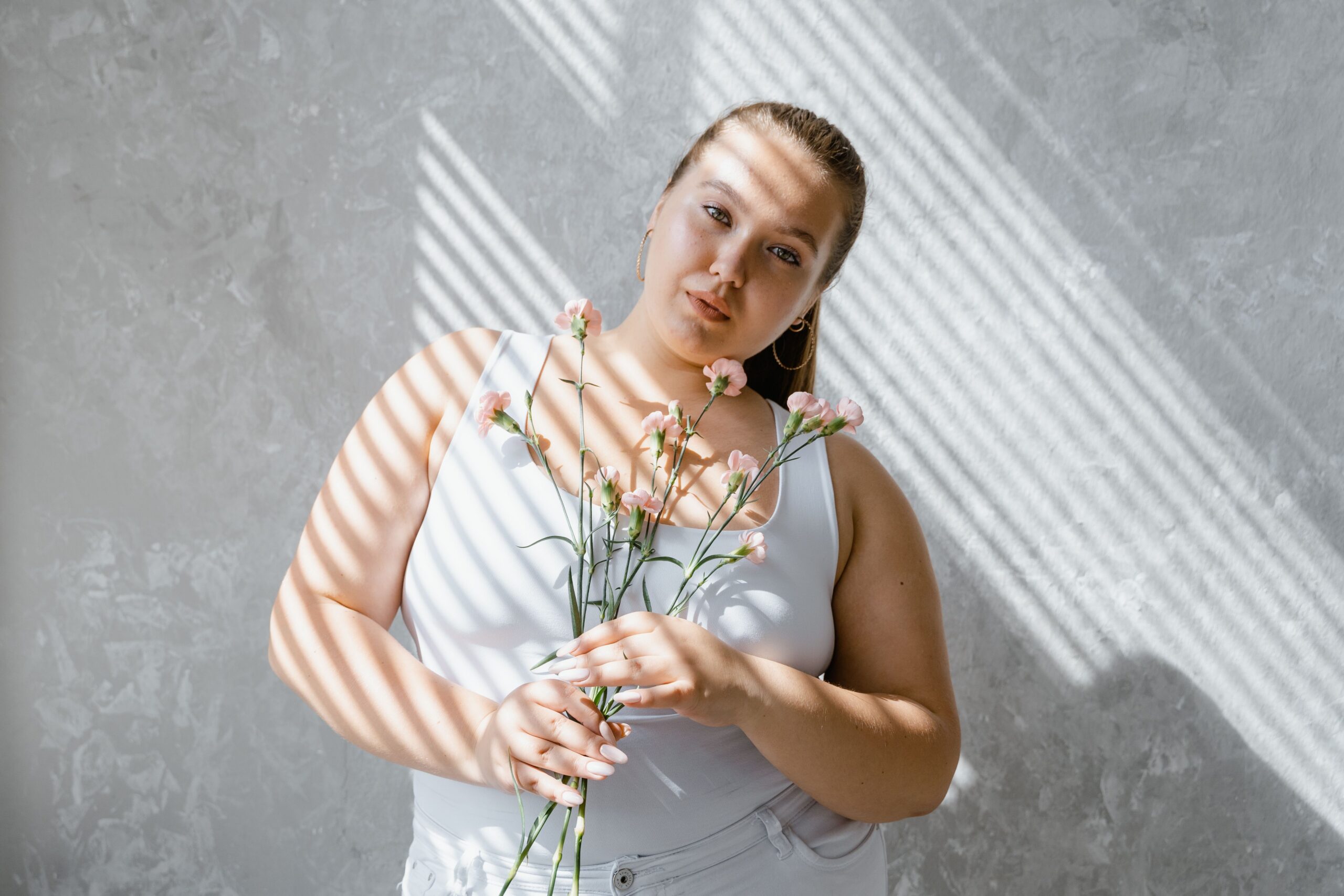
Many so-called compliments directed at plus-size women are not actually flattering. Phrases like “you look great for your size” or “you’re so brave for wearing that” might seem positive at first. However, these comments often hide criticism and focus only on body shape, which feels more like judgment than genuine praise.
Hearing these remarks again and again can lower self-esteem, reinforce negative stereotypes, and make everyday conversations feel like constant evaluations. Plus-size women are frustrated with being compared to unrealistic standards and having their bodies noticed more than their achievements, personality, or style.
Here are 7 insulting compliments that secretly offend plus-size women every day.

Showing surprise about a woman’s body size treats her like a stereotype instead of a unique person. These comments, even if meant as praise, carry hidden judgment and support the idea that bigger bodies are less healthy or attractive.
Women who hear this often feel judged or compared to unrealistic standards, which can be discouraging and exhausting. Respectful compliments should focus on achievements, personality, style, or confidence, not body size. Noticing effort, individuality, or presence without mentioning size helps women feel valued as whole people and makes conversations more positive.
Giving advice about weight, shape, or clothing without being asked suggests a woman’s choices are not good enough. These comments imply she needs to change to be accepted, which can hurt her confidence and add pressure. Hearing this often makes women feel self-conscious and supports the harmful idea that plus-size bodies always need to be changed.
Empowering compliments celebrate choices without suggesting anything needs to be fixed. Noticing style, creativity, or confidence without judgment helps women embrace their individuality and avoid pushing the idea that bodies must look a certain way to deserve praise.
Suggesting that positive personality traits are surprising in a plus-size person is very patronising. It treats qualities like intelligence, humour, kindness, or charisma as unexpected just because someone doesn’t fit society’s body ideals.
These comments quietly support the stereotype that personality or attractiveness is linked to weight, which can make women feel undervalued and not truly appreciated. Affirmation should focus on personality, skills, or achievements, not body type. Praising character traits without mentioning size shows respect, builds confidence, and helps women feel valued for their strengths instead of just their appearance.

Being surprised by a plus-size woman’s athletic ability or activity level assumes she has limits because of her size. These comments show doubt instead of real admiration and keep the myth alive that bigger bodies are weak or unhealthy. Women who hear this often feel underestimated or stereotyped, which can be frustrating and discouraging.
Praising achievements, dedication, or effort without mentioning appearance empowers women and shows what they can really do. Noticing fitness, strength, or accomplishments in a fair way respects their individuality and avoids supporting harmful stereotypes.
This phrase suggests that looking attractive or well-dressed is surprising just because of body size. It makes beauty seem conditional and treats a woman’s appearance as an exception instead of a normal part of her style and personality.
Hearing this often reminds women that society views plus-size bodies as less desirable and that they are only praised for meeting basic expectations. A real compliment focuses on someone’s confidence, outfit, or presence without mentioning size. Noticing beauty without linking it to body type helps women feel proud of themselves instead of self-conscious, and this kind of praise is much more meaningful and lasting.
Calling someone “brave” for choosing what to wear implies that their choices are inherently risky or socially unacceptable due to their size. It transforms personal style into an act of courage rather than self-expression, subtly suggesting that plus-size women should limit their fashion or hide their bodies to avoid judgment.
Over time, this type of comment communicates that confidence in one’s appearance is unusual or unexpected, which can be both frustrating and discouraging. Real affirmation focuses on the woman’s confidence and individuality without framing her appearance or clothing as surprising or daring.
Compliments that celebrate personal style, creativity, and self-assurance empower rather than demean, helping women feel recognised for their choices rather than subtly criticised for their body type.
When compliments only mention facial features, it suggests the rest of a woman’s body is not good enough. This creates a false idea that some traits make up for others, and sends the message that someone is only partly acceptable. Hearing this often can make plus-size women feel like they have to rely on other qualities to be valued, which can lower self-confidence.
Real compliments celebrate the whole person, not just one feature. Noticing someone’s personality, energy, style, humour, or achievements helps women feel valued as complete individuals and moves the focus away from size to who they truly are.
Insulting compliments might seem harmless at first, but they often hurt confidence while pretending to be praise. Plus-size women deserve real, empowering recognition that is free from judgment and celebrates their individuality, personality, style, and achievements without always mentioning size or suggesting something is wrong.