Physical Address
304 North Cardinal St.
Dorchester Center, MA 02124
Physical Address
304 North Cardinal St.
Dorchester Center, MA 02124

A paycheck can look powerful on paper until the tax system takes its first bite. Then come the social contributions, payroll costs, income taxes, and hidden deductions that turn a proud salary into a much smaller deposit. In some countries, the shock is not just how much workers earn, but how much never reaches their bank account.
To be fair, many high-tax countries use that money to fund healthcare, pensions, public transport, family benefits, education, and social safety nets. Still, for a single worker earning an average wage, the numbers can feel brutal.
These countries show how quickly a paycheck can shrink when the state, the social insurance system, and payroll charges all line up at the same table.

Italy’s food, history, fashion, and coastline may feel like a dream, but its labor taxes can feel like a trapdoor. In 2025, Italy’s tax wedge stood at 45.8%, even after a notable decline from the previous year. That still leaves workers facing one of the heaviest paycheck burdens among advanced economies.
The strain is especially frustrating in a country where many younger workers already worry about job security, wage growth, and long-term opportunity. High payroll and social contribution costs can weigh on both employers and employees, making work more expensive for employers and less rewarding for employees. Italy shows how a country can offer a rich lifestyle while still leaving workers financially cornered.
Slovenia may not always dominate global tax conversations, but its paycheck squeeze is severe. The country’s tax wedge reached 45.3% in 2025, putting it in the same high burden group as bigger economies such as Italy, Austria, France, and Germany. For a small country with a growing reputation for quality of life, that is a serious number.
The pressure comes from a mix of income tax and social security contributions, with workers and employers both feeling the cost. Public services, healthcare, pensions, and social protections help explain the structure, but the net pay effect remains sharp. Slovenia is the kind of country where a salary offer needs careful reading because the gross figure may tell only half the story.

The Slovak Republic sits slightly below the most extreme group, but it still takes a heavy bite from labor income. Its 2025 tax wedge stood at 42.7%, well above the OECD average and enough to make paychecks feel noticeably smaller. For workers, this means a substantial share of labor costs is absorbed before it becomes usable household income.
The burden matters because wages in Slovakia are generally lower than in richer Western European countries, so each deduction can feel more personal. A high tax wedge can be easier to tolerate when salaries are large and public services are excellent. It becomes harder when workers feel they are paying Western-style labor taxes without always enjoying Western-level purchasing power.
Estonia is often praised as a digital government superstar, famous for e-services, business friendliness, and a clean administrative culture. That reputation can make its 42.6% tax wedge surprising for workers who assume digital efficiency always means lighter paycheck deductions. In 2025, Estonia’s labor tax burden rose sharply, helped by an increase in the personal income tax rate from 20% to 22%.
The country remains attractive in many ways, especially for entrepreneurs, remote workers, and people who value simple digital systems. Still, employees earning regular wages can feel the pressure when tax changes and social contributions reduce take-home pay. Estonia proves that even sleek, modern tax systems can still leave workers staring at a smaller paycheck than expected.

Belgium sits at the top of the paycheck pain list, with a tax wedge of 52.5% for a single worker earning the average wage. That means more than half of total labor costs can be absorbed by taxes and social security contributions before the worker fully feels the reward of their labor. For anyone looking only at a gross salary, Belgium can be a rude awakening because the difference between what an employer pays and what an employee takes home is enormous.
The trade-off is that Belgium has a strong welfare system, public healthcare, pensions, unemployment protections, and family benefits. Still, that does not erase the emotional sting of watching a solid salary get carved down month after month. Belgium is a reminder that a generous state can come with a very expensive entry fee.
Germany is another country where the paycheck can look healthy at first, only to slim down fast. Its tax wedge reached 49.3% in 2025 for an average single worker, placing it near the very top among advanced economies. Income tax, employee social contributions, and employer contributions all combine to create a heavy burden on labor.
Workers may benefit from reliable infrastructure, healthcare coverage, unemployment insurance, and a strong pension system, but those protections are funded by serious deductions. The German model rewards stability and social protection, yet it can feel punishing to workers who focus on immediate take-home pay. For young professionals, single earners, and skilled workers comparing international salaries, Germany’s gross numbers can look far more attractive than the net reality.
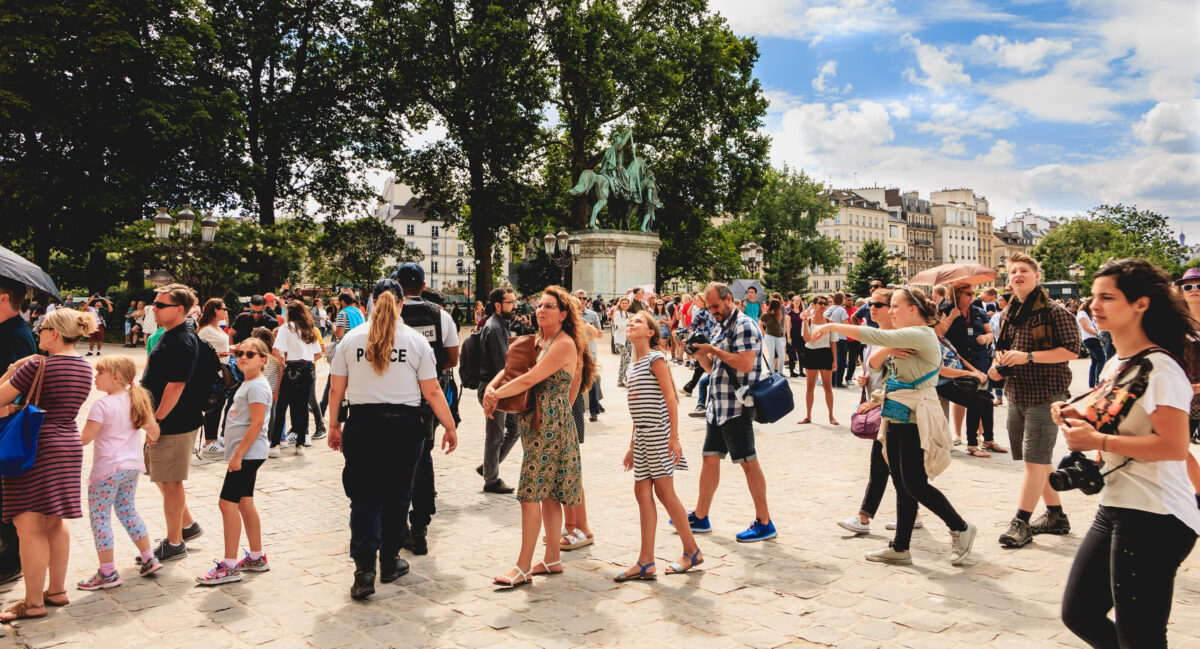
France has a reputation for beautiful cities, long lunches, and powerful worker protections, but its paycheck math can be harsh. The country’s 2025 tax wedge stood at 47.2%, putting it among the highest in the OECD for a single worker with no children. A major part of the burden comes through social security contributions, especially on the employer side.
That money helps fund France’s healthcare system, pensions, family support, unemployment insurance, and other public services. The problem is that workers may not always feel the value immediately when rent, groceries, transport, and energy bills arrive. France proves that a country can protect workers on one hand and still make their pay slips feel painfully squeezed on the other.
Austria is often praised for its quality of life, clean cities, strong public services, and beautiful scenery. Yet the paycheck reality is less romantic, with a 47.1% tax wedge in 2025 for an average single worker. That places Austria almost shoulder to shoulder with France and above many other wealthy countries.
The Austrian system supports healthcare, pensions, social insurance, and public benefits, which many residents value deeply. Still, the high labor tax burden can make raises feel less exciting because a large share of them is lost before they become spending power. For workers trying to build savings, buy property, or manage rising living costs, Austria’s deductions can feel like a silent roommate taking rent from every paycheck.