Physical Address
304 North Cardinal St.
Dorchester Center, MA 02124
Physical Address
304 North Cardinal St.
Dorchester Center, MA 02124

Religion should be one of the safest places in a family. It should offer comfort after grief, wisdom during confusion, and a moral language people can return to when life feels too loud. Yet in many American homes, faith has become less like a bridge and more like a locked door.
The problem is not religion itself. The problem starts when people use religion as a weapon, a loyalty test, or a way to shame relatives into silence. Once that happens, Thanksgiving tables turn tense, siblings stop calling, parents panic over their children’s choices, and love gets buried under arguments about who is “really” on God’s side.

One of the darkest shifts happens when religion stops being about character and starts being about party identity. Families that once prayed together can suddenly feel split into camps, with one side treating political disagreement like spiritual betrayal. A vote becomes more than a vote; it becomes proof of righteousness, rebellion, ignorance, or moral failure.
That pressure can poison ordinary conversations. A daughter may avoid telling her father what she believes because she knows it will become a sermon. A brother may skip family dinners because every issue gets dragged back to faith, elections, and judgment. At that point, religion is no longer guiding the family; it is policing the room.
Many parents raise children with sincere faith, but trouble begins when belief becomes a leash. Some adult children are treated as disappointments simply because they stopped attending church, changed denominations, married outside the faith, or asked hard questions. Instead of being met with patience, they get guilt, warnings, and emotional distance.
This can create a painful kind of family exile. The child may still love their parents deeply, but every visit feels like a trial. The parent may think they are saving their child, yet the child hears only rejection. Love becomes conditional, and the family starts confusing control with concern.
Interfaith relationships can be beautiful when families lead with respect, but they can become brutal when religion is used to measure someone’s worth. A fiancé may be judged before anyone learns their character. A wedding can turn into a battlefield over ceremonies, traditions, children, names, and which side gets to define the future home.
This pressure can crush couples before their marriage even begins. Instead of asking, “Do they treat you well?” relatives ask, “Are they one of us?” That question sounds simple, but it can carry years of suspicion. When religion becomes a family gatekeeping system, love has to fight for permission.
Children often become the quiet casualties when parents and grandparents disagree over faith. One adult may want church every Sunday, another may want a more flexible spiritual life, and another may reject organized religion altogether. Instead of protecting the child’s emotional peace, the adults compete to shape the child first.
That can leave kids confused, anxious, or forced to perform for approval. They learn which prayers make Grandma smile and which questions make Dad uncomfortable. They may also learn that honesty is dangerous. A child should never feel like the prize in a religious tug-of-war.
Shame often wears religious clothing because it sounds more respectable that way. A relative may insult someone’s divorce, clothing, sexuality, parenting, or mental health, then claim they are “speaking truth in love.” The words may sound holy, but the damage lands in the nervous system like rejection.
Real concern has tenderness in it. It listens before it corrects, and it does not enjoy humiliating people. When families use religion to shame someone into obedience, they may win silence, but they lose trust. The person may still show up physically, yet emotionally, they have already left the room.
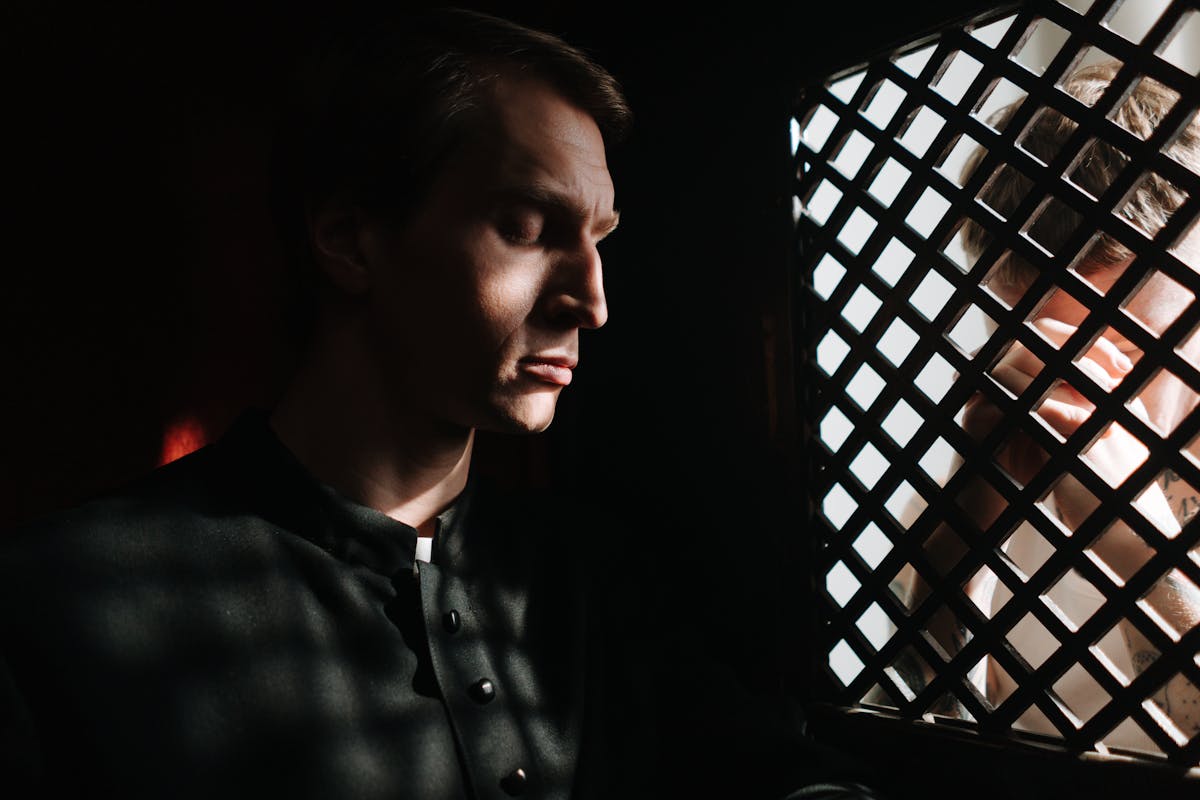
Religion often teaches forgiveness, but some families twist that teaching into a shortcut around accountability. A person who was hurt may be told to “let it go” before the offender admits what happened. Abuse, betrayal, neglect, and cruelty can get softened with spiritual language until the victim looks like the problem for still being hurt.
That is one of the most dangerous ways faith can be misused. Forgiveness should never become a muzzle. Healing needs truth, safety, and changed behavior. When families demand forgiveness without repair, they protect the person who caused harm and punish the person who survived it.
Some families use “God’s will” as a final answer to every uncomfortable conversation. Someone asks why a relative was mistreated, why a church leader was protected, why women are expected to carry more, or why certain rules apply to one person and not another. Instead of engaging the question, the family shuts it down with spiritual authority.
That kind of silence can feel holy from the outside, but inside the family, it creates fear. People stop asking, stop sharing, and stop trusting their own conscience. Faith grows stronger when it can handle honest questions. Families grow weaker when religion becomes a wall no one is allowed to touch.
Religion can still heal American families, but only when it is used with humility instead of control. Faith should make people more patient, more honest, more compassionate, and more willing to repair what they break. If it keeps turning relatives into enemies, the real question is not who believes correctly. The real question is who is using belief to avoid loving people well.