Physical Address
304 North Cardinal St.
Dorchester Center, MA 02124
Physical Address
304 North Cardinal St.
Dorchester Center, MA 02124
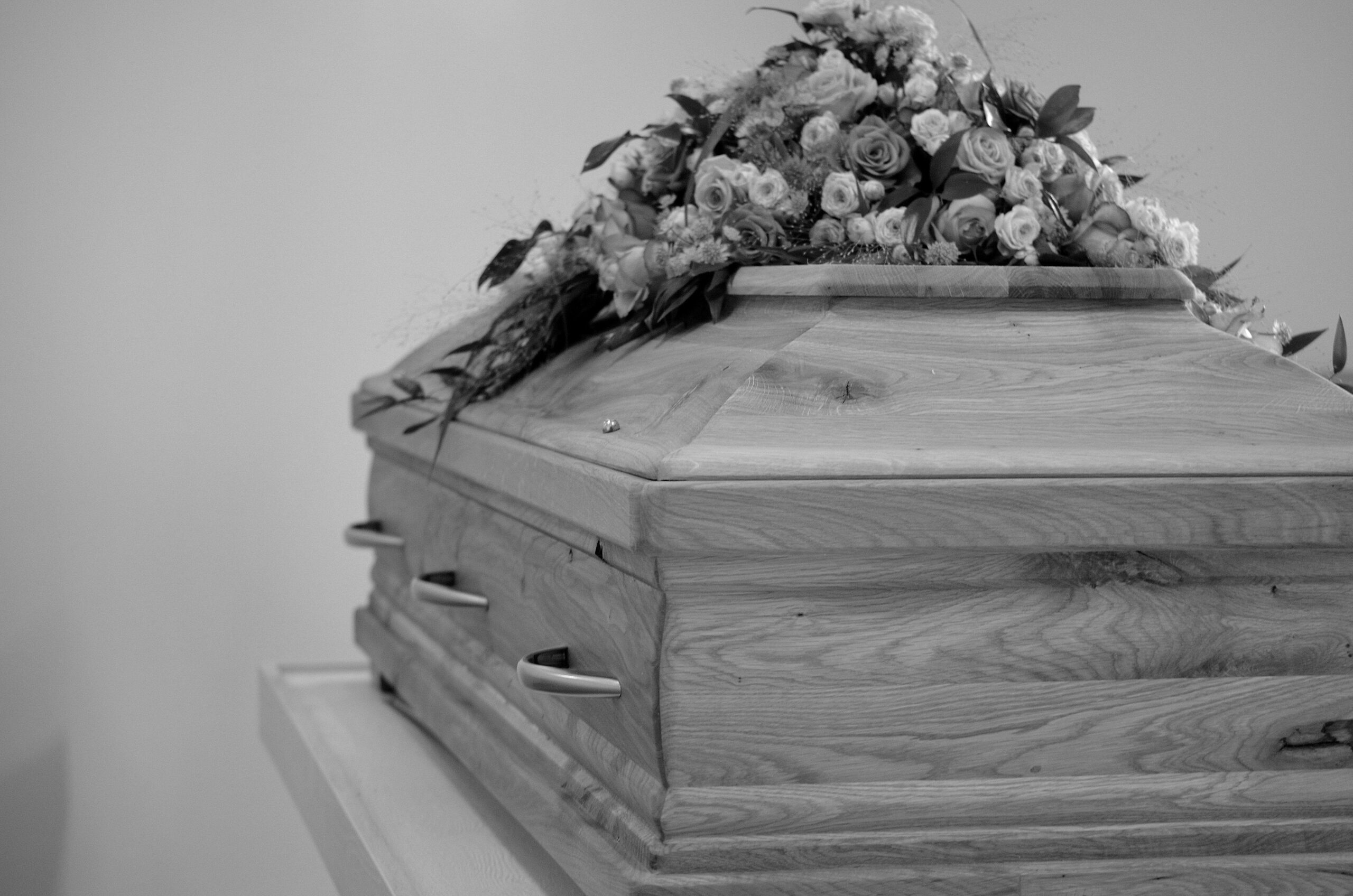
Some movie endings hurt more because real life got there first. Hollywood loves a final scene, a last line, a dramatic fade to black. But sometimes, the most haunting ending happens outside the script.
An actor finishes a performance, or nearly finishes it, then never gets the chance to see the audience react, the reviews arrive, or the film becomes part of movie history.
These stories carry a strange kind of sadness. The work remains alive, glowing on screens decades later, yet the person who gave it life never got to sit in the dark and watch it with everyone else.
Here are 8 actors who died before their final films premiered.

Heath Ledger’s death in 2008 froze Hollywood in disbelief. He had already completed his terrifying, electric performance as the Joker in The Dark Knight, a role that would later earn him a posthumous Oscar and reshape comic book movies forever. Audiences saw him disappear so completely into the character that the performance felt less like acting and more like possession.
But his final screen appearance came in The Imaginarium of Doctor Parnassus, which he was still filming when he died. The movie had to be reworked with Johnny Depp, Jude Law, and Colin Farrell stepping in as transformed versions of his character. That strange solution turned the film into something bittersweet, almost as if cinema itself were trying to carry Ledger across the finish line.
Chadwick Boseman’s final film, Ma Rainey’s Black Bottom, now feels almost impossible to watch without a lump in the throat. As Levee Green, he played a brilliant, wounded, ambitious trumpet player trying to force open a door in a world built to shut him out. The performance burns with pride, pain, rage, and hunger.
Boseman died in 2020 before the film reached audiences, after privately battling colon cancer for years. That knowledge changed how many viewers experienced the movie. Every sharp smile, every burst of anger, every quiet wound seemed heavier because he had been working through something most of the world never knew.

Paul Walker’s death in 2013 turned Furious 7 from another action sequel into a global farewell. He had been filming the movie when he died in a car crash, leaving the production with unfinished scenes and an emotional problem no studio could solve with money alone. The franchise had built itself on speed, family, loyalty, and impossible escapes, then real life suddenly refused to play along.
The filmmakers completed his role with help from his brothers, visual effects, and rewritten scenes. The final beach-and-highway sequence became one of the most emotional exits in modern blockbuster history. Fans did not just watch Brian O’Conner drive away; they watched Hollywood say goodbye to Paul Walker in the only language the franchise knew.
Philip Seymour Hoffman died in 2014 before The Hunger Games: Mockingjay (Part 2) reached theaters. He played Plutarch Heavensbee, the clever political operator whose calm voice often hid more than it revealed. By then, Hoffman had already built one of the strongest acting careers of his generation, moving from fragile men to dangerous men to lonely men with stunning ease.
His death forced the filmmakers to rewrite scenes rather than digitally fake a full performance. That choice gave the final movie a strange restraint. Hoffman’s absence could be felt in the spaces where he might have stood, which made his last appearance quieter, sadder, and more human than any dramatic tribute could have been.

James Dean died in 1955, and the timing helped turn him into one of Hollywood’s most haunting myths. He had already filmed Rebel Without a Cause and Giant, but both major releases arrived after his fatal car crash. That meant the world was still discovering him as he was already gone.
His final film, Giant, showed him aging on screen in a way he never got to do in real life. That detail gives the movie an eerie power. Dean appears as a restless young man, then as a hardened older one, while audiences know the actor himself never made it past twenty-four.
River Phoenix died in 1993 at only twenty-three, leaving behind a career that already felt bigger than his age. He had brought aching sensitivity to films like Stand by Me, Running on Empty, and My Own Private Idaho. His face seemed made for characters who carried too much feeling and did not always know where to put it.
His final film, Dark Blood, was unfinished when he died and remained unseen for years. When it finally surfaced much later, it felt less like a normal release and more like a message from a vanished future. Viewers were not just watching a thriller; they were watching the outline of a career that never got to grow old.

Bruce Lee died in 1973, just days before Enter the Dragon was released in Hong Kong. The film became a global breakthrough, turning him from a martial arts star into a permanent cultural force. It had everything audiences wanted from him: speed, control, charisma, discipline, danger, and that unmistakable screen presence.
He never got to see the full explosion of what the movie became. Enter the Dragon helped carry martial arts cinema into the mainstream and made Lee a legend far beyond one country or one genre. The cruel twist is that the film that announced him to much of the world arrived just after he left it.
Brandon Lee’s death during the making of The Crow remains one of Hollywood’s most chilling tragedies. He was fatally wounded on set in 1993 because of a prop gun accident, and the movie was completed after his death. That real tragedy gave the film’s story of murder, grief, and return from the dead an almost unbearable weight.
When The Crow reached audiences in 1994, it no longer felt like just a dark comic book adaptation. Lee’s performance became a memorial wrapped in rain, leather, face paint, and revenge. Like his father, Bruce Lee, he died before the movie that could have pushed him into a larger future was released.