Physical Address
304 North Cardinal St.
Dorchester Center, MA 02124
Physical Address
304 North Cardinal St.
Dorchester Center, MA 02124
Just three years ago, West Ham United were celebrating a European trophy in Prague. The club that once lifted the UEFA Europa Conference League, competed in Europe, and challenged some of the continent’s biggest teams is now heading to the Championship.
West Ham United have officially been relegated from the Premier League after a dramatic final day that saw their 3-0 victory over Leeds United become meaningless following Tottenham’s survival.
For supporters, the pain is not just about relegation itself. It is about how quickly everything collapsed.
For years under David Moyes, West Ham became one of the Premier League’s most respected and organized clubs. They were difficult to play against, tactically disciplined, and emotionally connected to their supporters.
Most importantly, they had identity. The club achieved multiple top-half finishes, competed in Europe, and delivered one of the greatest moments in modern West Ham history by winning a European trophy in 2023.
But after Moyes departed, everything became unstable. West Ham pursued a different footballing identity without the structure to back it up. Managerial changes created confusion, and recruitment became inconsistent. Confidence disappeared.
Julen Lopetegui arrived and left, Graham Potter arrived and left, and then came Nuno Espírito Santo. Instead of rebuilding, West Ham drifted further into crisis.
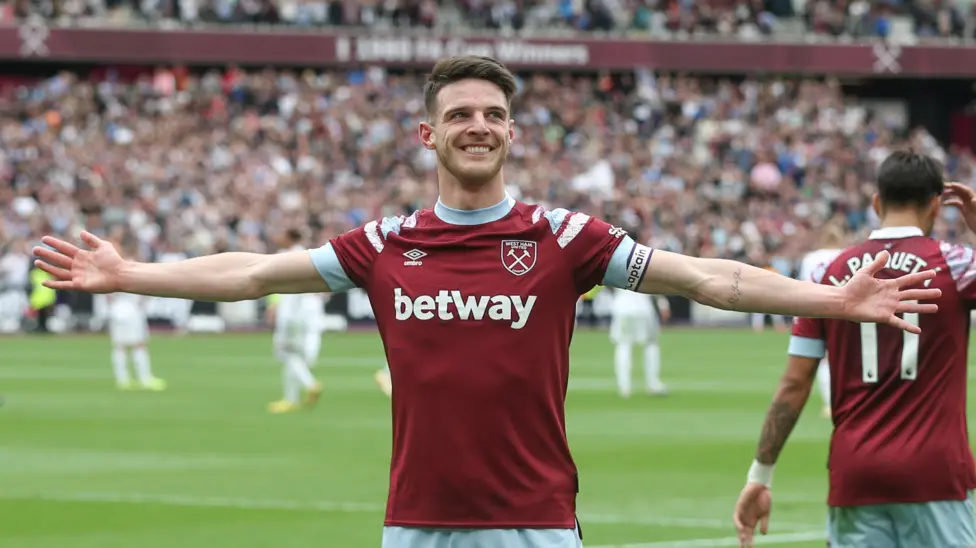
The departure of Declan Rice was always going to hurt. But few imagined how deeply it would affect the club. Rice was more than a midfielder. He was leadership, stability, personality, and emotional energy all in one player. His presence masked many of the squad’s weaknesses and gave West Ham belief in difficult moments.
After his £105 million exit, supporters expected the club to reinvest intelligently and evolve. Instead, many fans believe the recruitment strategy failed completely. The balance disappeared. The leadership disappeared, and eventually, the results disappeared too.
West Ham’s relegation was not caused by one bad month. It was a season-long collapse.
They repeatedly lost winning positions, conceded poor goals, and struggled to maintain consistency. Their defense became one of the league’s weakest, while performances at the London Stadium often felt tense and disconnected.
At times, the atmosphere around the club became toxic. Supporters protested ownership.
Fans openly questioned the club’s recruitment decisions and direction. Chants against the board became common as frustration grew week after week. The emotional breaking point came when relegation stopped feeling impossible and began to feel deserved.
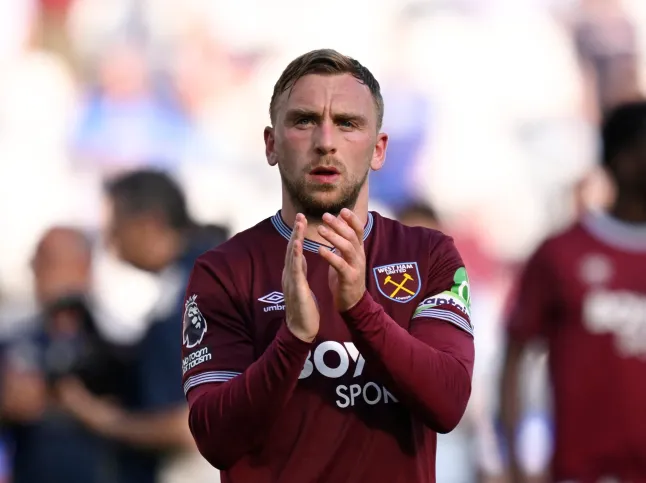
Throughout the chaos, Jarrod Bowen continued fighting. The captain remained one of the few consistent bright spots in a disastrous campaign. Even after scoring during the final-day victory over Leeds, Bowen admitted the club had “created this mess” themselves.
That honesty reflected the mood around West Ham. There were no excuses left. The players knew they had failed the supporters.
Relegation has also reopened old wounds surrounding West Ham’s move from Upton Park to the London Stadium.
For years, some supporters argued the club lost part of its soul after leaving its historic home. While the move increased revenue and ambition, many fans never fully embraced the stadium emotionally.
Now, with Championship football coming to a 62,500-seat arena, those conversations will only grow louder. Because relegation is not just a sporting failure. It changes a football club’s identity and perception.
The consequences of relegation could be severe. Broadcast revenue will collapse. Key players may leave. Sponsorship value could drop dramatically. West Ham may also struggle to maintain a Premier League-level wage structure in the Championship.
And then comes the biggest question of all: Can the club recover quickly?
The Championship is unforgiving. Big clubs have entered it expecting immediate promotion, only to disappear into years of instability. West Ham now face that reality.
That is what makes this relegation feel so shocking. This is not a club that slowly declined over a decade.
This is a club that experienced European glory, packed European nights, and dreams of becoming a consistent top-half force, only to collapse into relegation within a few short years.
Football changes quickly. And in West Ham’s case, it changed brutally. The celebrations in Prague now feel very far away. Because next season, West Ham United will no longer be preparing for European nights.
They will be preparing for the Championship.