Physical Address
304 North Cardinal St.
Dorchester Center, MA 02124
Physical Address
304 North Cardinal St.
Dorchester Center, MA 02124
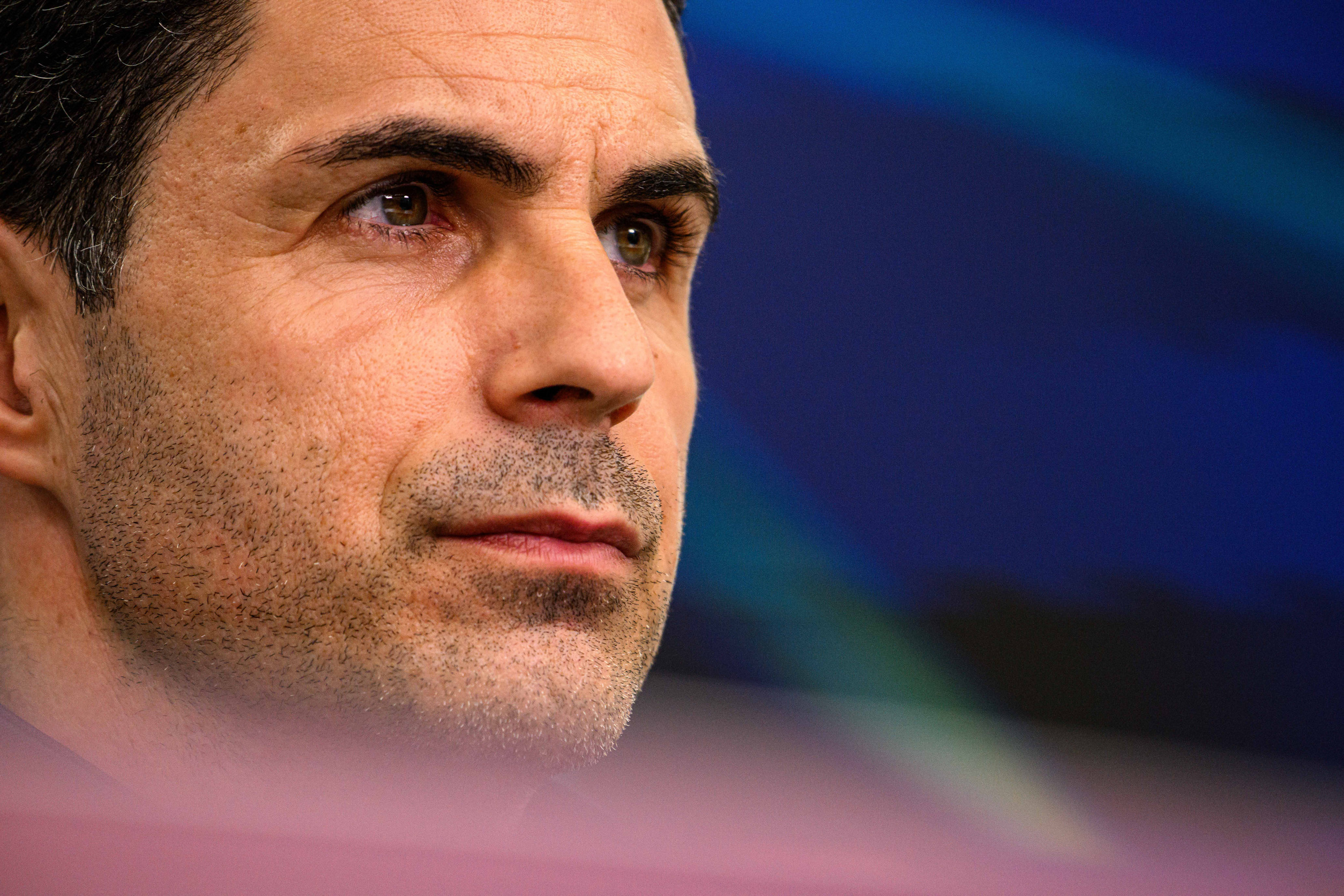
There are managers who win trophies. Then there are managers who rebuild football clubs from the inside out. Mikel Arteta has done both.
Arsenal’s league title after 22 years will be remembered as one of the greatest moments in the club’s modern history, but the real story goes beyond the trophy itself. This was not simply about tactics, transfers, or points accumulated over a season.
This was about restoring belief. Before Arsenal became champions again, they had to become Arsenal again.
When Arteta took charge, Arsenal felt disconnected from itself. The football lacked identity. The atmosphere around the club had become toxic and divided. Fans were frustrated, emotionally exhausted, and uncertain about the future. M
atchdays at the Emirates often brought anxiety rather than excitement. Rivals mocked Arsenal relentlessly, while sections of the media questioned whether the club still belonged among football’s elite.
The disconnect was visible everywhere. Players looked uncertain. Supporters looked drained. The emotional bond between the team and the fans, once one of Arsenal’s greatest strengths, had weakened badly.
And perhaps that was Arteta’s biggest challenge. Not rebuilding a squad. Rebuilding belief.
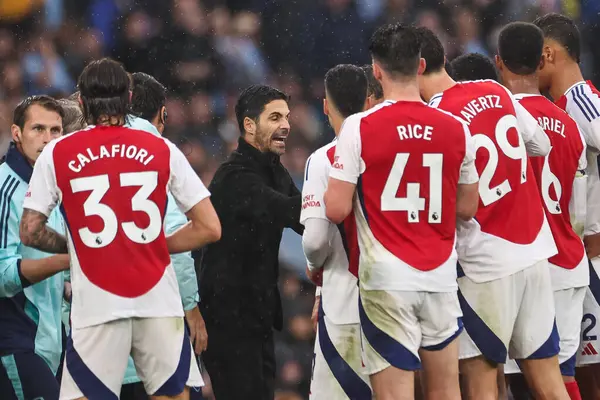
Because he had lived it himself. As a former Arsenal captain under Arsène Wenger, Arteta understood what Arsenal meant to its supporters. He understood the values the club was built on: unity, identity, courage, technical excellence, and emotional connection.
He knew Arsenal supporters could accept difficult periods if they believed the team was fighting for something real. That became the foundation of his rebuild.
From the very beginning, Arteta demanded standards. Not just technically, but emotionally. Every player had to buy into the culture he wanted to create. Reputation no longer mattered. Commitment did.
The process was painful. There were defeats, setbacks, criticism, and moments where the project looked fragile. Rival fans laughed at Arsenal. Social media labeled them “bottlers.” Pundits questioned Arteta’s experience and whether the club had trusted the wrong man.
But slowly, something started changing. The fans began reconnecting with the team.

For years, the Emirates Stadium carried tension. Now, it carries belief. One of Arteta’s greatest achievements has been turning Arsenal supporters back into emotional participants.
Fans no longer watch Arsenal hoping not to collapse. They watch, expecting the team to fight, compete, and represent the badge properly.
That emotional shift transformed everything. Home matches became experiences again. The atmosphere grew louder. The connection between players and supporters became genuine.
Arsenal fans saw themselves reflected in the team’s intensity and unity. You could feel it after goals. You could see it in the celebrations.
This Arsenal side plays with emotion, and supporters responded by giving that energy back to the team every single week. The Emirates did not just become a stadium again. It became a fortress.
Arteta also understood that supporters connect most deeply with players who embody the club’s spirit. That is why this Arsenal team feels different.
Bukayo Saka became the symbol of the new era, talented, humble, fearless, and emotionally connected to the fans. Every time he stepped onto the pitch, supporters saw a player who carried Arsenal’s identity with pride.
Martin Ødegaard led with intelligence and composure, setting standards through work ethic rather than noise. The arrival of Declan Rice added leadership, authority, and resilience, the mentality Arsenal had been accused of lacking for years.
At the back, Gabriel Magalhães and William Saliba brought aggression, calmness, and trust to a defense that became one of the strongest in the league. Every player contributed.
But more importantly, every player looked emotionally invested in the club. Fans notice that and they respond to it.

Many managers can improve results. Very few can transform a football club’s emotional identity. That is why Arsenal’s title victory feels so powerful.
This was not just about ending a 22-year wait for the league. It was about healing years of frustration, ridicule, and disappointment. It was about restoring pride to supporters who stood by the club during difficult times.
Arteta gave Arsenal fans something they had desperately missed: A team they could emotionally believe in again. Not because it was perfect, but because it cared. Because it fought and represented them.
Trophies define eras, but emotional connection defines legacies. Years from now, Arsenal supporters will remember the title celebrations. They will remember the atmosphere at the Emirates, the pressure-filled victories, and the feeling of finally standing at the top of English football again.
But many will also remember something deeper. They will remember how Mikel Arteta made Arsenal feel united again. How he turned a disconnected football club into a family. How he rebuilt belief before he rebuilt success. And perhaps that is his greatest achievement of all.