Physical Address
304 North Cardinal St.
Dorchester Center, MA 02124
Physical Address
304 North Cardinal St.
Dorchester Center, MA 02124
The sea doesn’t always arrive like a monster in a movie. Sometimes, it slips into streets during high tide, eats a few inches of beach, pushes salt into drinking water, and leaves homeowners arguing with insurance companies before breakfast.
That is what makes the threat so unsettling. The danger is not always one giant wave. It is the slow math of rising water, sinking land, stronger storms, and cities built in places nature never promised to protect forever.
To be clear, these cities are not expected to vanish from the map in one dramatic scene by 2030. The real warning is sharper and more believable: by 2030, some neighborhoods, roads, ports, historic districts, and low-lying communities could face repeated flooding that makes maintaining normal life harder.

Ho Chi Minh City is one of Asia’s great engines of growth, but its low-lying setting leaves it exposed to flooding from rivers, tides, storms, and sinking land. Recent research links rising flood risks in the city to climate change and urbanization, with projections indicating more frequent flooding.
The city’s risk feels especially urgent because so much of its life happens close to water. Roads, homes, markets, factories, and informal settlements can all feel the squeeze when drainage fails or tides back up through canals.
Lagos is Africa’s giant on the edge of the Atlantic, a city where ambition rises as fast as the skyline. The problem is that parts of Lagos sit on low coastal land, lagoons, wetlands, and reclaimed areas that are prone to erosion, storm surge, and flooding.
Research on Lagos has identified it as one of the cities highly vulnerable to extreme sea levels, with coastal communities and infrastructure exposed to growing risk.
This is where the word “disappear” becomes painfully literal for some communities. A city center may keep building towers, but fishing villages, waterfront homes, beaches, and informal settlements can be swallowed first..

Alexandria has survived empires, invasions, and centuries of Mediterranean storms, but climate pressure is testing the ancient city from below and above. Egypt’s climate analysis has treated Alexandria as a key case study for coastal flooding, sea-level rise, and land subsidence because its shoreline, infrastructure, and population are in a highly exposed zone.
The danger here feels almost cinematic because Alexandria is not just a city. It is memory made of stone, sea air, and history. Rising water, coastal erosion, and salt damage can threaten homes, roads, cultural sites, and old buildings long before a map changes shape.
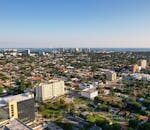
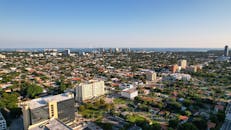
Miami is America’s glossy postcard with a flooded basement. Its beaches, nightlife, luxury towers, and waterfront neighborhoods all depend on a fragile deal with the ocean. Miami-Dade County says sea level rise will amplify problems tied to storms, hurricanes, public health, and social vulnerability across the county.
The twist is that Miami’s risk does not always arrive through the beach. Water can rise through porous limestone, flood streets on sunny days, and turn king tides into neighborhood events. That makes Miami one of the clearest American examples of a city that can look rich and powerful from the air, yet still struggles with water under its feet.

Jakarta feels like the headline city for this crisis because it is fighting water from almost every direction. The Indonesian capital faces sinking land, rising seas, heavy rainfall, clogged drainage, and decades of groundwater pumping that have made parts of the city drop at alarming rates. NASA has warned that sinking land, rising seas, and flood-driven rainfall all pose major problems for the city, especially in the north, where coastal neighborhoods sit closest to the Java Sea.
The scary part is that Jakarta’s crisis is not just about climate change. It is also about the city’s own weight, growth, and thirst. When millions of people rely on groundwater, the land beneath them can compact like a sponge being squeezed dry.
Bangkok is a city of food markets, golden temples, traffic jams, and canals that once helped it breathe. Now those same watery roots make it vulnerable. A 2024 study on land subsidence in the Bangkok region found a mean sinking rate of about 7 millimeters per year, with far higher rates recorded in some surrounding areas.
That may sound tiny until you remember that cities do not need to sink by several feet before trouble begins. A few extra inches can turn heavy rain into a flooded commute, push drainage systems past their limits, and make storm surge more destructive.

New Orleans has always lived with water like an unpredictable roommate. The city relies on levees, pumps, drainage canals, wetlands, and constant engineering to stay dry.
Research on the Mississippi River Delta warns that sea level rise, storms, extreme rainfall, and subsidence all threaten the region, and the delta has already lost more than a quarter of its coastal wetlands during the twentieth century.
That wetland loss matters because marshes act like the city’s front porch against the Gulf. When they disappear, storm surge has a clearer path toward neighborhoods, highways, and industrial corridors.
Venice is the city that already looks like a dream, half floating on water, which makes its threat feel both poetic and brutal. Studies of the Venice Lagoon point to the combined pressure of historical subsidence and rising seas, with flooding tied to the city’s delicate relationship with tides and climate change.
Venice has flood barriers, global attention, and the emotional pull of a place the world does not want to lose. Still, beauty does not stop water. By 2030, Venice may remain one of the most visited cities on Earth, but the question is how often its squares, churches, walkways, and homes must battle high water before preservation becomes a race against time.
The year 2030 is not a magic deadline. It is a checkpoint. It is close enough that today’s children will remember it, today’s homeowners will still be paying mortgages, and today’s city leaders will still be judged by what they did or ignored.
These cities may not disappear all at once, but disappearance rarely starts with a dramatic goodbye. It starts when a street floods too often, a family moves inland, a school closes after another storm, an insurance bill becomes impossible, and a neighborhood slowly stops feeling like home. That is the real story. The map may still show the city, but the water may already be eroding it.