Physical Address
304 North Cardinal St.
Dorchester Center, MA 02124
Physical Address
304 North Cardinal St.
Dorchester Center, MA 02124
Death does not arrive the same way everywhere. In one country, it may come after years of untreated high blood pressure. In another, it may come through dirty air, weak hospitals, expensive medicine, or a newborn struggling to survive the first fragile days of life.
The most troubling part is that many of the world’s biggest killers are not rare mysteries. They are familiar diseases tied to the way people eat, work, breathe, age, live, and access care. That is why the leading causes of death around the world keep rising, even as medicine becomes more advanced.
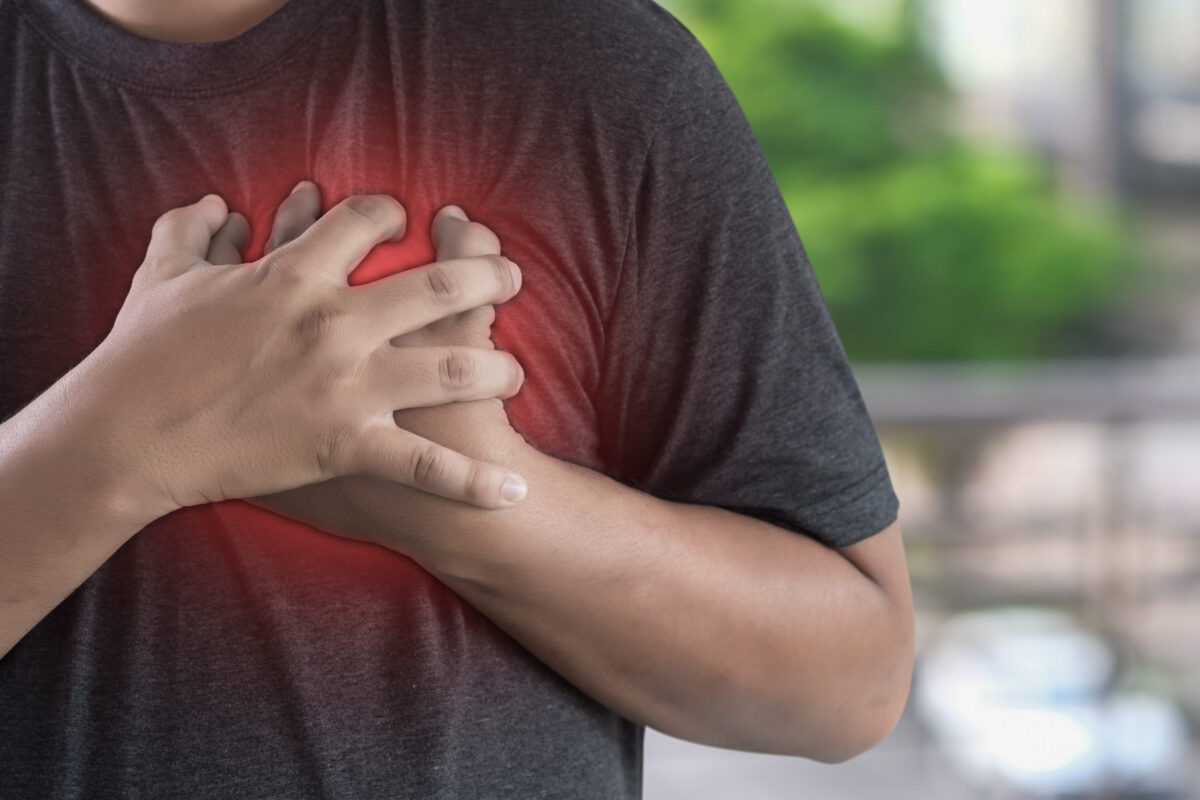
Ischaemic heart disease remains the world’s deadliest condition because it builds slowly before it strikes suddenly. It happens when blood flow to the heart becomes restricted, often because arteries are narrowed by fatty deposits. By the time chest pain, breathlessness, or a heart attack appear, the damage may already be dangerous.
Its rise is tied to modern life in uncomfortable ways. High blood pressure, smoking, diabetes, obesity, salty diets, stress, and limited access to routine checkups all feed the problem. In many countries, people now live longer, but longer life also gives heart disease more years to develop quietly.
Stroke is one of the cruelest global killers because it can change everything in minutes. It occurs when blood flow to the brain is blocked or when a blood vessel bursts, cutting brain tissue off from oxygen. Many people survive the first attack, but millions live with paralysis, speech problems, memory loss, or long-term disability.
The numbers keep rising because the major risk factors are spreading across age groups and income levels. High blood pressure remains the biggest driver, but diabetes, smoking, poor diets, heavy alcohol use, and untreated heart rhythm problems also play a role. In places where emergency care is slow or unaffordable, a stroke that might be survivable becomes fatal.
Chronic obstructive pulmonary disease, better known as COPD, slowly robs people of the ability to breathe. It includes conditions such as chronic bronchitis and emphysema, where damaged lungs struggle to move air in and out. For many patients, daily life becomes a battle with coughing, wheezing, exhaustion, and fear.
Smoking remains a major cause, but COPD is not only a smoker’s disease. Millions breathe polluted city air, workplace dust, chemical fumes, wildfire smoke, or household smoke from cooking fuels. As air pollution worsens and many people remain exposed for decades, this disease continues to claim new victims.
Pneumonia and other lower respiratory infections remain deadly because they attack something every person depends on every second. They can fill the lungs with fluid, trigger severe breathing problems, and overwhelm children, older adults, and people with weak immune systems. In poorer communities, a treatable infection can become a death sentence when clinics, oxygen, antibiotics, or vaccines are out of reach.
This cause of death has fallen in some parts of the world, but it remains stubborn because inequality keeps feeding it. Malnutrition, crowded housing, indoor smoke, poor sanitation, and limited vaccination coverage make respiratory infections more dangerous. Climate shocks and displacement can also push families into conditions that enable these infections to spread faster.
Lung cancer is one of the most feared killers because it is often discovered after it has already spread. Early symptoms can look ordinary, such as coughing, chest discomfort, fatigue, or shortness of breath. By the time many people seek help, treatment becomes harder, more expensive, and less likely to succeed.
Tobacco is still the biggest villain, but the story does not end there. Air pollution, secondhand smoke, workplace exposure, and delayed screening all add to the global burden. In countries where smoking rates remain high or cancer care is limited, lung cancer keeps turning preventable risks into devastating losses.

Alzheimer’s disease and other forms of dementia are rising partly because more people are living long enough to face them. Dementia slowly damages memory, judgment, communication, and independence, often forcing families into years of emotional and financial strain. It is not just a medical condition; it can become a household crisis.
The increase also reveals how unprepared many health systems are for aging populations. Families often provide unpaid care, women carry much of that burden, and long-term support remains expensive or unavailable in many places. As life expectancy grows, dementia will keep rising unless countries build stronger systems for prevention, diagnosis, caregiving, and elder care.
Diabetes has become one of the clearest warning signs of a changing world. Type 2 diabetes is strongly linked to diet, weight, inactivity, genetics, and age, but it also reflects the food environment people live in. Cheap ultra-processed meals, sugary drinks, long work hours, unsafe streets, and limited access to healthy food all make prevention harder.
Its danger comes from what it damages over time. Diabetes can harm the heart, kidneys, eyes, nerves, and blood vessels, raising the risk of heart attacks, strokes, kidney failure, infections, and amputations. The disease keeps rising because diagnosis is often late, treatment can be expensive, and millions of people live with it without knowing.
Kidney disease has climbed the global death rankings because it often hides until the body is already in trouble. The kidneys filter waste from the blood, regulate fluid balance, and help control blood pressure. When they fail, patients may need dialysis or a transplant, options that are costly and unavailable to many people.
The rise is closely tied to diabetes, high blood pressure, obesity, aging, and unequal access to early testing. Many people do not experience symptoms in the early stages, so the disease can advance quietly for years. By the time swelling, fatigue, nausea, or severe weakness appear, the damage may be difficult to reverse.
These 8 causes of death tell a blunt story about modern life. People are living longer, but many are living with more chronic risk. The next global health victory will not come only from better hospitals; it will come from cleaner air, healthier food, earlier testing, stronger local clinics, and care that reaches people before the emergency begins.