Physical Address
304 North Cardinal St.
Dorchester Center, MA 02124
Physical Address
304 North Cardinal St.
Dorchester Center, MA 02124
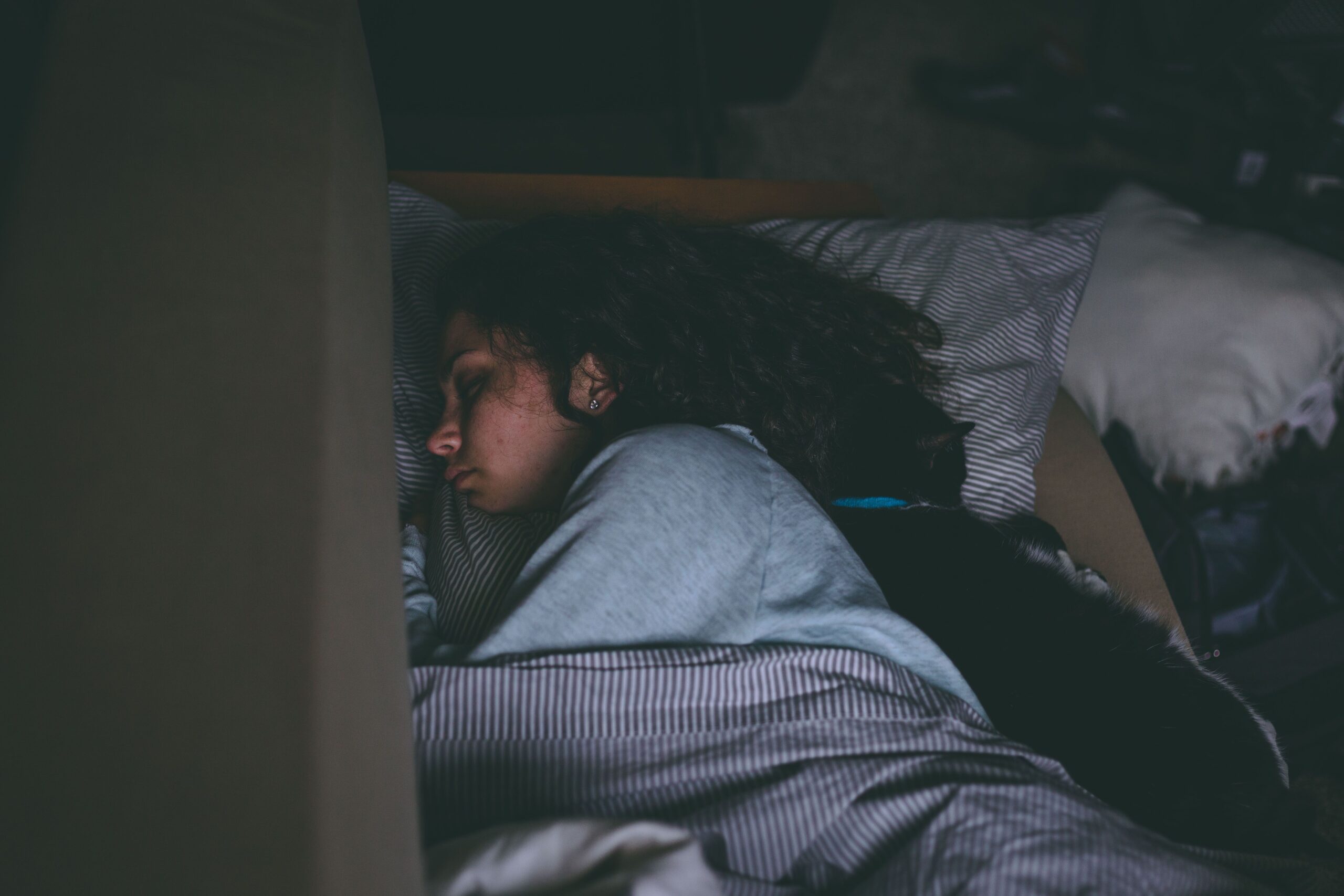
Going to bed too late feels harmless until the body starts quietly keeping score. One more episode, one more scroll, one more “I’ll sleep early tomorrow” can slowly turn into a nightly routine that leaves the brain foggy, the body hungrier, the mood thinner, and the heart working harder than it should.
Science keeps pointing to the same uncomfortable truth. Sleep is not empty time. It is repair time, hormone time, memory time, immune time, and nervous-system reset time. When bedtime keeps getting pushed back, the damage may not hit like a loud alarm. It often creeps in through small daily changes that people blame on stress, age, food, or a busy life.

Late nights can make the brain feel like a browser with too many tabs open. Sleep helps the brain process information, store memories, regulate attention, and clear the mental clutter that builds up during the day. When you keep going to bed too late, your brain gets less of that recovery window, which can leave you forgetful, distracted, and slower to react.
That is why poor sleep often shows up first as “I’m just tired” before it becomes missed details, bad decisions, or emotional overreactions. The brain can push through a few rough nights, but it does not perform at its best when rest becomes a leftover instead of a priority.
The heart does not clock out when you go to bed, but sleep gives it a calmer shift. During healthy sleep, blood pressure tends to dip, stress hormones ease, and the cardiovascular system has a chance to recover from the demands of the day. When bedtime keeps moving later, and sleep gets cut short, that nightly reset may shrink.
Over time, poor sleep has been linked with a higher risk of heart disease, high blood pressure, and other chronic health problems. The scary part is that you may not feel this damage as it happens. You just keep waking up tired, leaning on caffeine, and assuming your body will catch up later.

Going to bed too late can make the next day feel like a snack attack with legs. Sleep affects hormones that help control hunger, fullness, and appetite. When you do not get enough sleep, the body may become more inclined toward quick energy, often leading to sugary, salty, or high-calorie foods.
This is one reason late nights and weight gain can become an ugly little partnership. You wake up tired, crave fast fuel, move less, and feel less motivated to cook a balanced meal. The problem is not weak willpower. Your body is trying to compensate for a lack of rest.
Sleep and metabolism are more connected than most people think. When you stay up too late and cut back on sleep, your body may become less efficient at handling glucose. That means blood sugar regulation can become more strained, especially when late nights come with late snacks, screen time, stress, or skipped morning routines.
This does not mean one late night ruins your health. The trouble starts when late bedtime becomes a lifestyle. The body loves rhythm, and when sleep timing becomes chaotic, metabolism can become less steady, too.

Sleep is one of the body’s quiet defenses. It helps regulate immune activity, inflammation, and recovery. When you keep cutting sleep short, your immune system may become less balanced, which can make the body feel more run-down and less prepared to deal with everyday stressors.
This is why people often feel more fragile after several late nights. A small cold feels heavier. A stressful week feels harder. A simple workout takes longer to recover from. The body is not being dramatic. It is asking for repair time.
A late bedtime can turn a normal inconvenience into a full emotional production. Sleep helps regulate the parts of the brain involved in stress, fear, patience, and emotional control. When rest is short, the mind can become more reactive, more negative, and less able to brush things off.
That means late nights can quietly affect relationships, work, parenting, and self-confidence. You may snap faster, worry more, or feel unusually low without connecting it to your sleep. Sometimes the “bad mood” is really a tired brain begging for a reset.
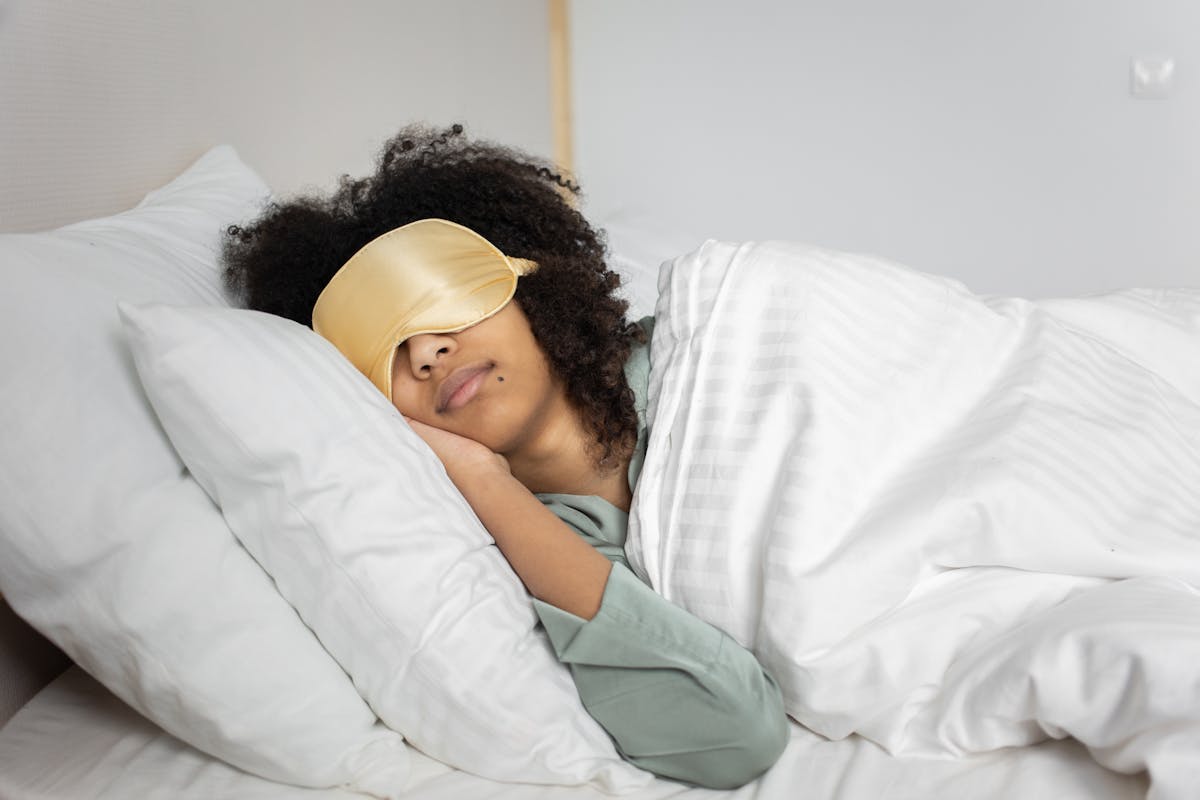
Your body has an internal clock that responds to light, darkness, food timing, movement, and routine. Going to bed too late, especially with bright screens and irregular sleep hours, can confuse that rhythm. Once your body clock is out of sync, falling asleep gets harder, waking up feels worse, and daytime energy becomes unpredictable.
This is where people get trapped. They stay up late because they do not feel sleepy, wake up exhausted, rely on caffeine, and then struggle to sleep again at night. The cycle feels personal, but it is biological. Your body runs better when bedtime is not treated like a moving target.