Physical Address
304 North Cardinal St.
Dorchester Center, MA 02124
Physical Address
304 North Cardinal St.
Dorchester Center, MA 02124
Some places on Earth are so dangerous, mysterious, or protected that governments have banned the public from ever setting foot there. These locations have sparked wild conspiracy theories, inspired Hollywood movies, and fueled endless internet debates.
In some cases, people who tried to sneak in were arrested immediately. Others never made it back at all. From islands filled with deadly tribes to vaults hiding civilization’s biggest secrets, these forbidden places prove that curiosity can come with serious consequences.
Here are 7 places around the world where “No Entry” truly means no entry.

Vatican Apostolic Archive holds centuries of historical documents belonging to the Catholic Church. Despite its dramatic nickname as the “Secret Archives,” the collection includes official letters, ancient manuscripts, and records dating back hundreds of years.
Most people will never see what is stored inside. Access is heavily restricted and limited mostly to qualified scholars with approved research projects. That secrecy has fueled endless speculation about hidden religious texts, scandals, and even evidence tied to extraterrestrials or lost civilizations.
Heard Island is one of the most remote places on Earth. Located between Madagascar and Antarctica, the island is covered in glaciers and dominated by an active volcano called Big Ben.
Australia strictly controls access because the ecosystem remains almost untouched by humans. Reaching the island itself is already a nightmare, taking weeks by sea. Scientists occasionally visit for research, but ordinary travelers are rarely granted permission.

Lascaux Cave contains some of the most stunning prehistoric paintings ever discovered. The artwork, estimated to be over 17,000 years old, features animals, symbols, and scenes painted by early humans.
Tourists once flooded the cave after its discovery in 1940, but their breath and body heat began damaging the fragile artwork. Authorities shut the cave to the public in 1963 to preserve it. Today, visitors can only explore detailed replicas nearby, rather than the original site.

North Sentinel Island sits in the Indian Ocean and is home to the Sentinelese people, one of the last uncontacted tribes on Earth. The Indian government strictly bans anyone from approaching the island because the tribe has violently resisted outside contact for decades. Even fishermen who accidentally drift too close risk being attacked with arrows.
The ban exists for another reason that feels even more chilling. The Sentinelese have no immunity to modern diseases, meaning a simple flu virus could wipe out the entire tribe. After American missionary John Allen Chau illegally visited the island in 2018 and was killed, authorities tightened restrictions even further.
Area 51 may be the most famous secret location on the planet. Hidden deep in Nevada’s desert, the military base has been tied to alien rumors, UFO sightings, and classified experiments for decades. The U.S. government long denied its existence before finally acknowledging it in 2013.
Getting too close can bring armed security, helicopters, and possible arrest. Warning signs around the perimeter make it clear that deadly force could be used against trespassers. That level of secrecy only keeps conspiracy theories alive, especially among people convinced extraterrestrial technology is hidden inside.

Surtsey is one of the youngest islands on Earth. It formed after a volcanic eruption in 1963 and became a scientific goldmine almost overnight. Researchers wanted to study how life naturally develops on brand-new land without human interference.
Because of that, regular tourists are completely banned. Only a handful of scientists are allowed to visit under strict conditions. Even something as small as bringing in seeds from outside could ruin decades of research, so authorities guard the island carefully.
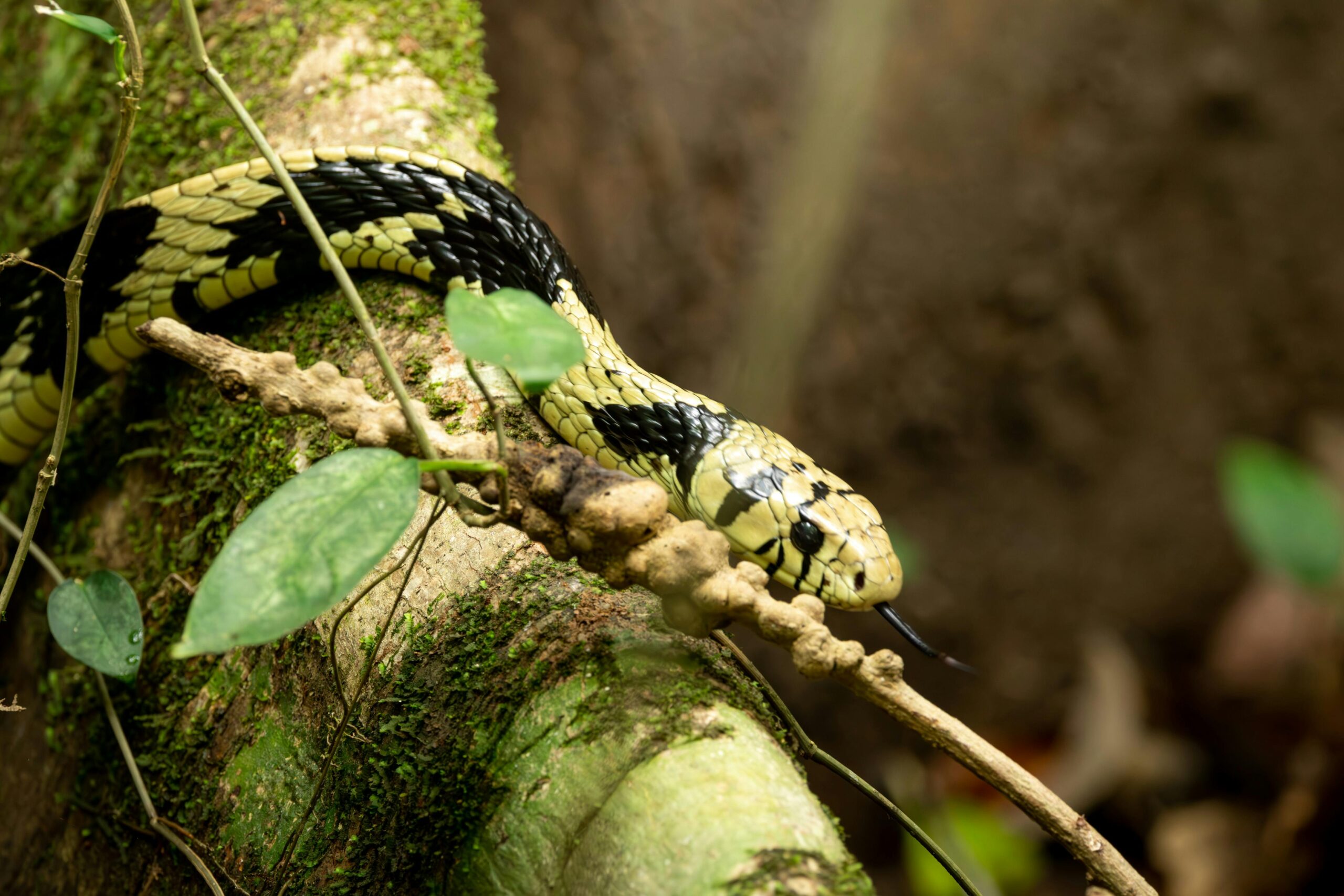
Ilha da Queimada Grande, better known as Snake Island, sounds like something invented for a horror movie. The island is home to thousands of venomous snakes, including the critically endangered golden lancehead viper, whose bite can kill humans quickly.
Brazilian authorities banned visitors for safety reasons, though scientists occasionally receive permission to study the reptiles. Local legends claim pirates once used the island to hide treasure, but today the only thing waiting there is a terrifying concentration of deadly snakes.